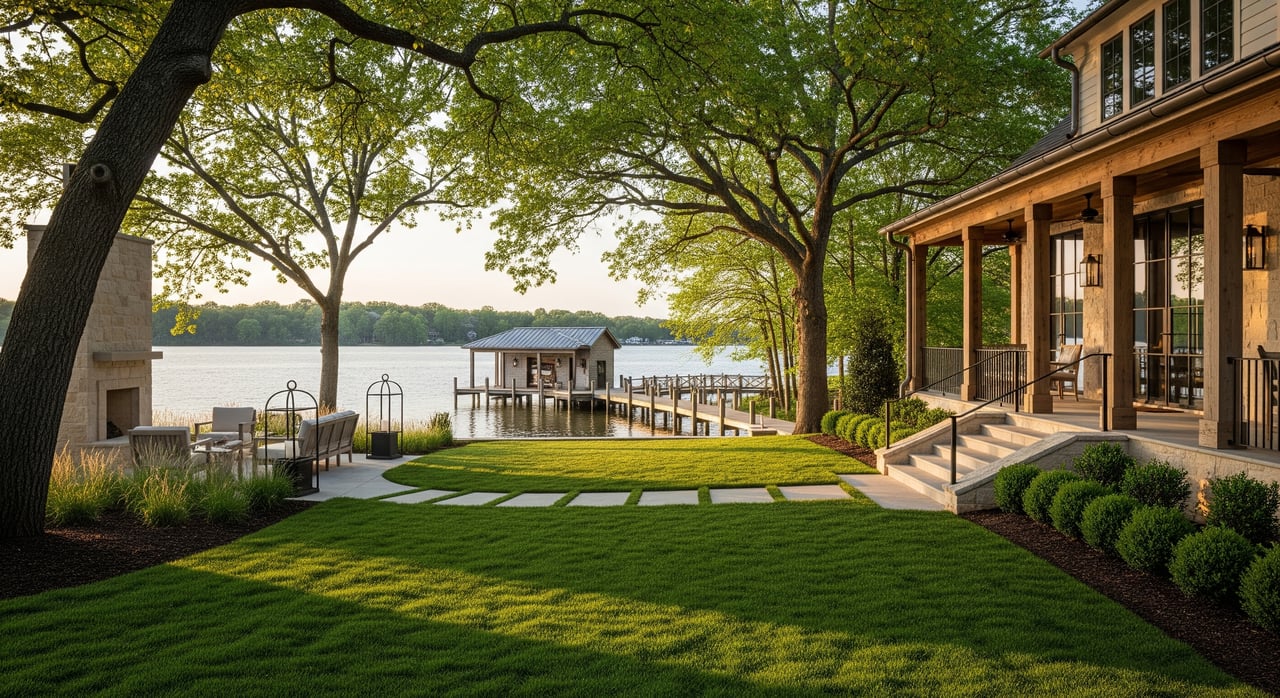
Buying a larger-lot home in Eads can feel exciting and a little intimidating. You want space, privacy, and a smart purchase that holds its value. The right offer contingencies help you do both by protecting your money while keeping your offer competitive. In this guide, you’ll learn which contingencies matter most in Tennessee, how they work on rural properties in Eads, and how to use timelines and negotiation tactics to your advantage. Let’s dive in.
What offer contingencies do
Contingencies are conditions in your purchase contract. They must be satisfied before you are obligated to close. Common examples are inspection, appraisal, financing, and home sale.
In Tennessee, many contracts use Tennessee REALTORS forms with negotiable timelines. You and the seller agree on specific dates for each contingency. Strong protections give you more safety but can also make your offer less attractive, so getting the balance right is key.
Four core contingencies for Eads buyers
Inspection contingency: your first safety net
An inspection contingency gives you the right to inspect the home and land. You can bring in a general inspector and specialists for septic, well, structural, pest, radon, HVAC, roof, and more. If you find material issues, you can request repairs or credits, or you can cancel if the problems are too great.
Most buyers in Eads use 7 to 14 days for inspections. Rural parcels may need a bit more time, especially if you plan new improvements. You can negotiate a shorter period to be more competitive, or a longer one if the property has complex systems or outbuildings.
Eads inspection focus areas
- Septic system. Confirm location, capacity, and pump tank condition. Ask for health department records. Consider a licensed septic inspection or a percolation test if you plan to add bedrooms or expand.
- Private well. Test water for potability and flow rate. Some lenders require this.
- Boundary and survey. Older or non-platted parcels may lack recent surveys. A boundary survey helps confirm acreage, easements, and buildable areas.
- Access and easements. Verify legal, recorded access, especially with shared or private drives.
- Land and environmental. Review soils, timber, floodplain, and wetlands. Check whether the land’s features align with how you plan to use the property.
How to negotiate the inspection
- Be specific about your inspection period and the inspections you will perform.
- Preserve the ability to terminate if you uncover material issues.
- To strengthen your offer, you can limit requests to health and safety items or agree to cap the seller’s repair costs.
Appraisal contingency: value protection
An appraisal contingency protects you if the property appraises below your purchase price. If you are financing, your lender relies on the appraisal. You can use the contingency to renegotiate or cancel if there is a shortfall.
Rural homes around Eads often have fewer comparable sales. Land, ponds, timber, and unique improvements can be hard to price. That can lead to an appraisal gap, where the appraised value is lower than your contract price.
Appraisal timelines and tactics
- Appraisals typically come back 10 to 21 days after they are ordered, but timing can vary.
- If you include an appraisal contingency, you can limit remedies to a set time for the seller to cure or to a price reduction up to a cap.
- An appraisal gap guarantee makes your offer stronger. You agree to cover a set amount of any shortfall, but your risk increases, so define a firm dollar limit.
- Use a lender and appraiser familiar with rural properties. Share relevant comps and details about acreage and improvements.
Financing contingency: loan approval confidence
A financing contingency allows you to cancel if you cannot secure loan approval by the deadline you set in the contract. You must act in good faith and cooperate with your lender.
Common timelines are 21 to 30 days, but buyers with strong pre-approvals sometimes propose shorter periods. Rural underwriting can take longer due to well and septic reviews or appraisal complexity. It helps to coordinate your timeline with your lender’s expectations.
Strengthen your financing terms
- Get a strong pre-approval or conditional underwriting approval, not just a pre-qualification.
- Share lender contact details with the offer to reassure the seller.
- Consider a shorter financing window if your lender is confident, but do not set a date that risks missing an underwriting decision.
- Loan options in Eads may include USDA Rural Development, FHA, VA, or conventional. Each has its own rules and timelines.
Home sale contingency: proceed with care
A home sale contingency means your purchase depends on selling your current home. It protects you if you must sell first, but it can be less attractive to sellers. In some Eads situations, especially where buyer traffic is lower, a seller may consider it with conditions.
To make this work, sellers often ask for a kick-out clause. This allows them to keep marketing the home. If they receive another offer, you have a set time to remove your contingency or step aside.
Ways to make a sale-contingent offer stronger
- Shorten the contingency period and provide proof that your current home is listed or under contract.
- Accept a kick-out clause with a reasonable response period.
- Consider alternatives such as a longer closing period or bridge financing if available to you.
Other protections to consider
Title contingency
Review the title commitment to identify liens, encumbrances, and easements. You can request cures for defects. This is especially important if the property has shared access or long-standing use agreements.
Survey contingency
Confirm boundaries, acreage, and potential encroachments. On larger parcels, a current survey helps you understand buildable areas, utility access, and any recorded easements.
Environmental, soil, and perc contingencies
If you plan new construction or significant changes, add time for soil studies or percolation testing. You can also include an environmental review if there are former agricultural uses or outbuildings with unknown histories.
HOA or CCR review
Some Eads properties sit in subdivisions with covenants. If so, review HOA documents and CCRs for building guidelines, use rules, and design approvals.
Lead-based paint and as-is terms
For homes built before 1978, you can include a period to test for lead-based paint. If you agree to buy as-is, keep an inspection contingency focused on health and safety so you can exit if serious issues surface.
A sample timeline that fits Eads
Use these typical ranges as a starting point and tailor them to the property and your lender:
- Earnest money deposit. Due within 3 to 5 business days after offer acceptance, per contract terms.
- Inspection period. 7 to 14 days for general, septic, and well inspections. Add extra time if you need a boundary survey or percolation testing.
- Appraisal. Ordered after your loan application. Expect 10 to 21 days for completion, depending on appraiser availability.
- Financing approval. 21 to 30 days is common. Coordinate with your lender for a realistic underwriting timeline.
- Title review. 7 to 14 days to review the title commitment and request cures.
If the property has complex land issues, build in time for survey and soil work up front. Sellers often favor shorter periods, so pair any extra time you need with a strong pre-approval and clear communication.
Risk management in competitive situations
You can stay competitive without giving up key protections. Focus on prep, clarity, and limited, targeted risk.
- Get fully prepared. Secure strong pre-approval, talk with your lender about rural underwriting, and line up an inspector with septic and well experience.
- Do your homework early. Ask about existing surveys and septic records. If feasible, review what is available before you write your offer.
- Use limited waivers. For example, keep your inspection contingency but agree to request only health and safety fixes. Or use a capped appraisal gap to define your exposure.
- Protect your earnest money. Know when it becomes nonrefundable and what remedies apply if you default.
Quick buyer checklist for Eads
Before you write the offer
- Get a strong pre-approval or conditional underwriting approval.
- Identify your inspector, septic professional, and well tester.
- Ask the listing agent about existing surveys, septic documents, or well records.
- Clarify your must-haves vs. negotiables on repairs and credits.
In your contract
- Set a clear inspection period and list the inspections you will perform.
- Include appraisal and financing contingencies with realistic deadlines.
- Add title and survey review rights, especially for larger parcels.
- Define any appraisal gap limit and repair caps in writing.
During your inspection window
- Schedule general, septic, and well inspections immediately.
- Order a boundary survey if the parcel is large or unplatted.
- Review title and any easements for access or shared drives.
- Negotiate focused repairs or credits and track deadlines.
Work with a local advocate
Buying in Eads is different from buying in a suburban subdivision. Septic systems, wells, and surveys require the right timing and the right people. With thoughtful contingencies and clear timelines, you can protect your interests and still write a competitive offer.
Review your contingency strategy with Rachel to align inspection, financing, and appraisal deadlines to Eads’ rural property issues and your risk tolerance. If you are planning a move in Eads, Germantown, Collierville, Lakeland, or nearby, reach out to Rachel Goss to get a plan in place.
FAQs
What does an inspection contingency mean in Tennessee?
- It gives you time to inspect the home and land, request repairs or credits, and cancel if material issues are unacceptable within your agreed inspection period.
How long are typical inspection and financing timelines in Eads?
- Inspections often run 7 to 14 days, while financing approval is commonly 21 to 30 days. Rural properties may need extra time for septic, well, or survey.
How do septic and well inspections work for rural Eads homes?
- A licensed septic professional evaluates system location, capacity, and condition, while well tests check potability and flow. Some lenders require these for loan approval.
What is an appraisal gap on an Eads property?
- It is when the appraisal comes in below the purchase price. You can renegotiate, cancel under your contingency, or cover part of the shortfall with a capped gap guarantee.
Are home sale contingencies accepted in Eads, Tennessee?
- They can be, but it depends on the property and market. Sellers may require a kick-out clause and proof your current home is listed or under contract.
Should I order a survey for a 5-acre Eads parcel?
- For larger or older parcels, a current boundary survey helps confirm acreage, access, easements, and buildable areas, which can prevent costly surprises later.