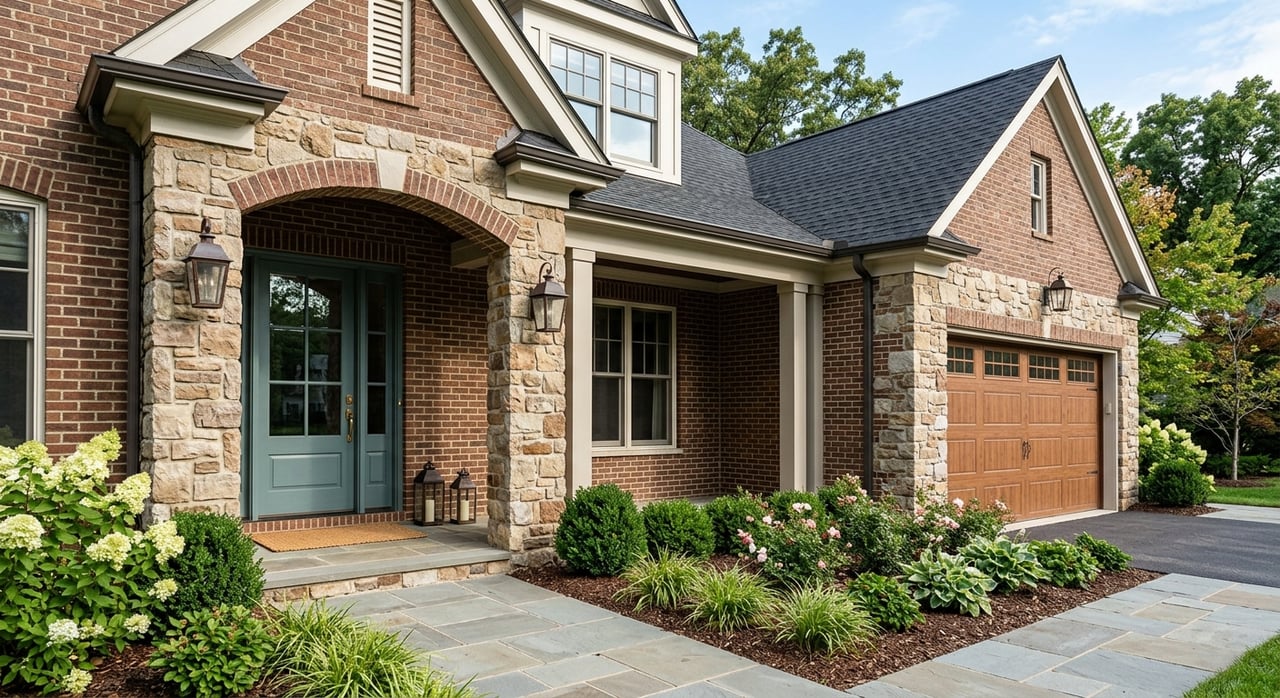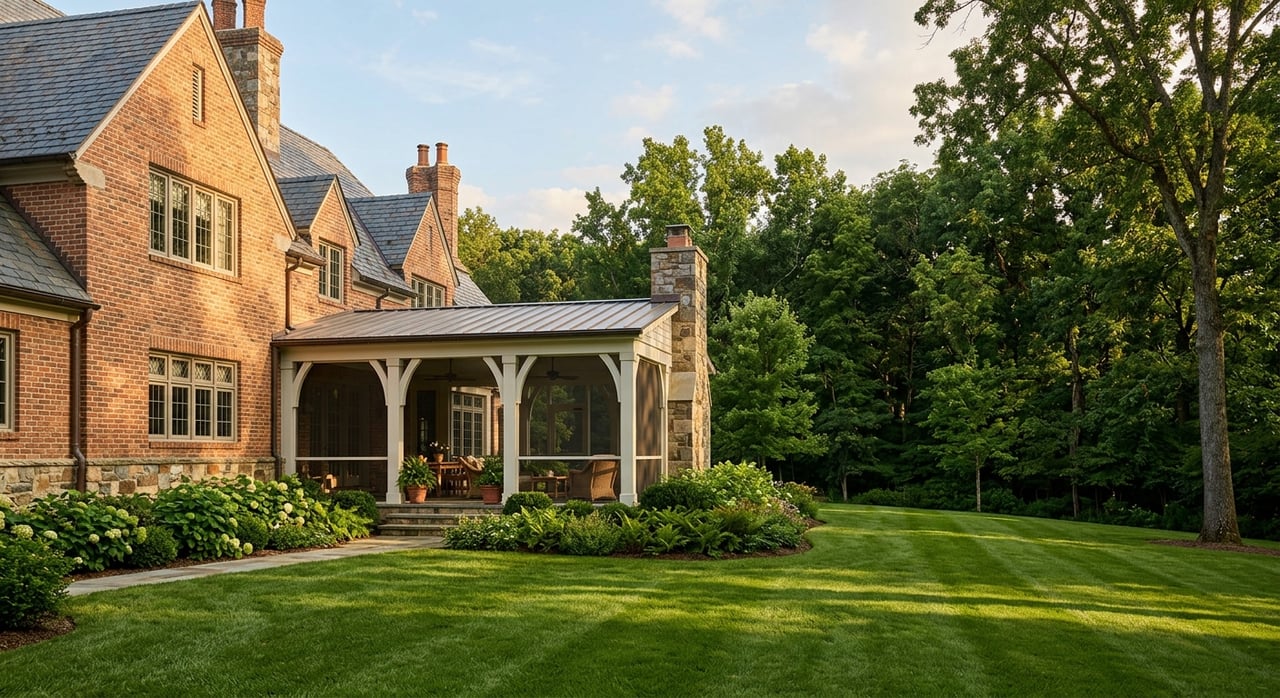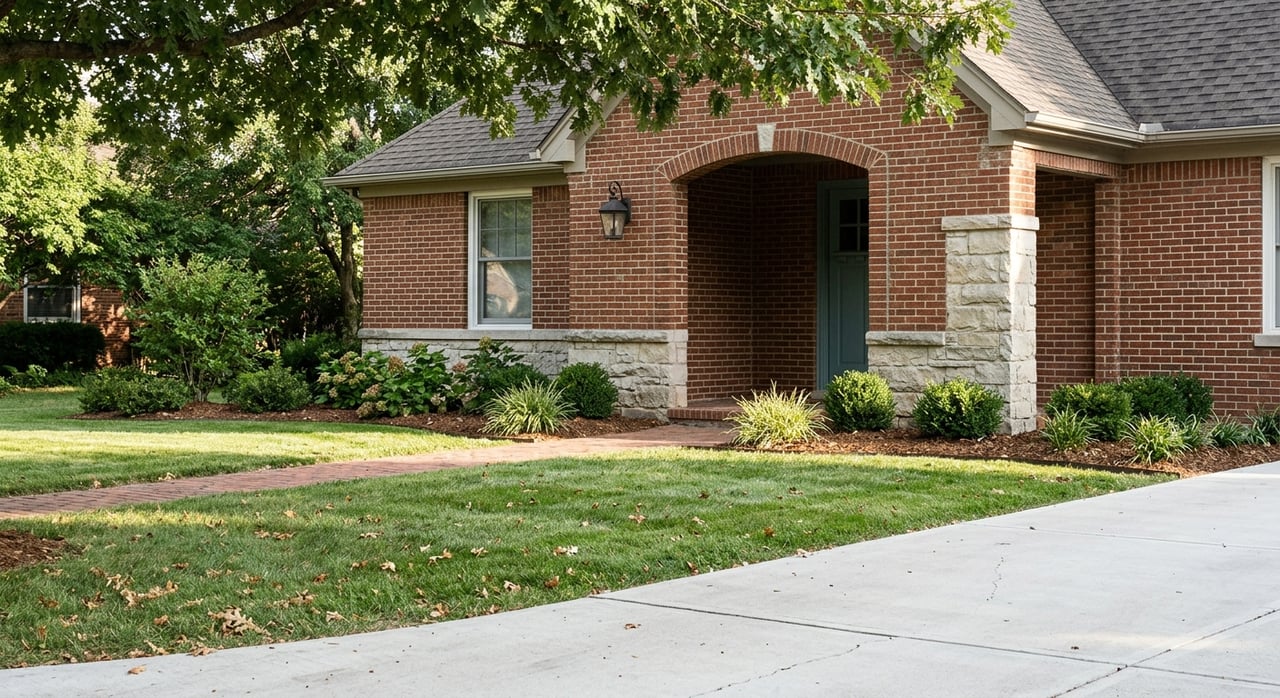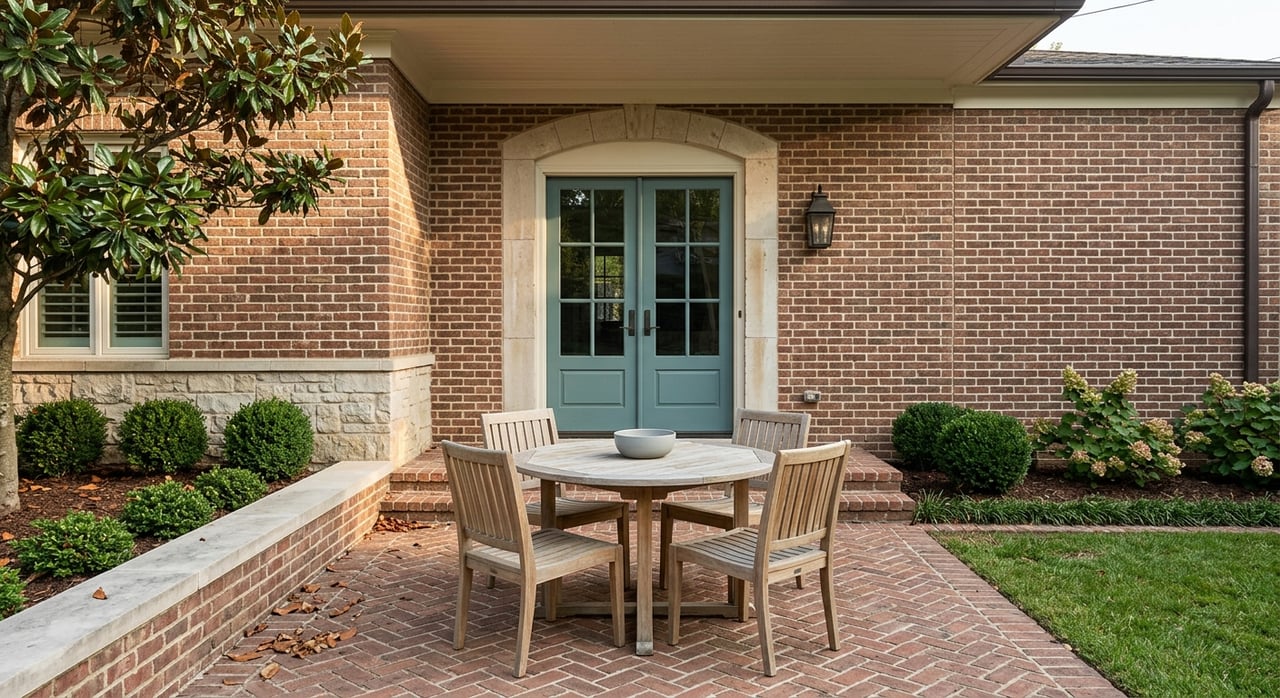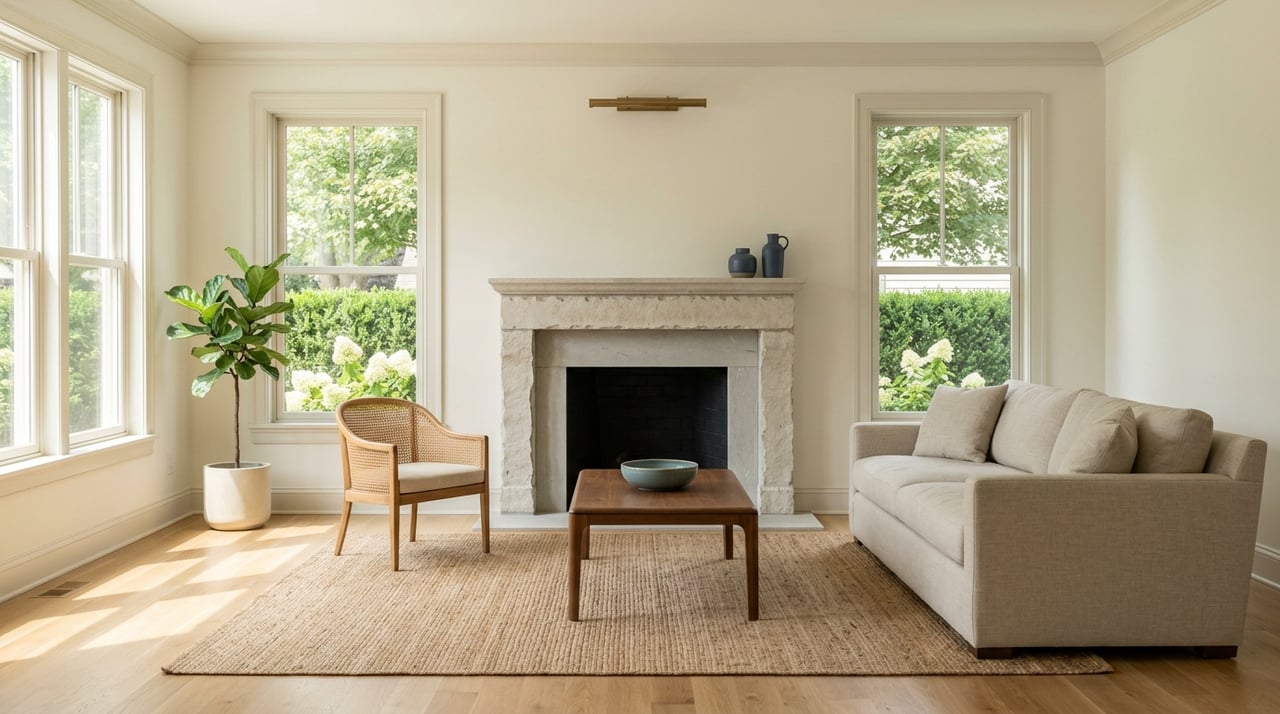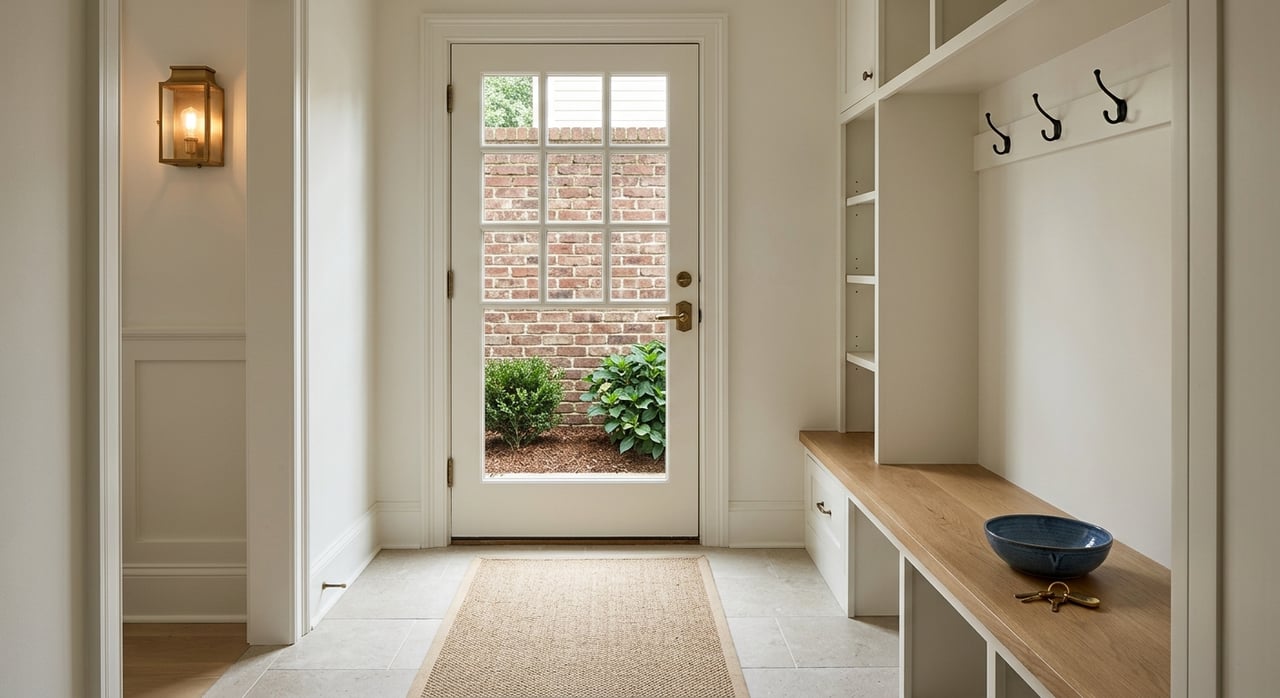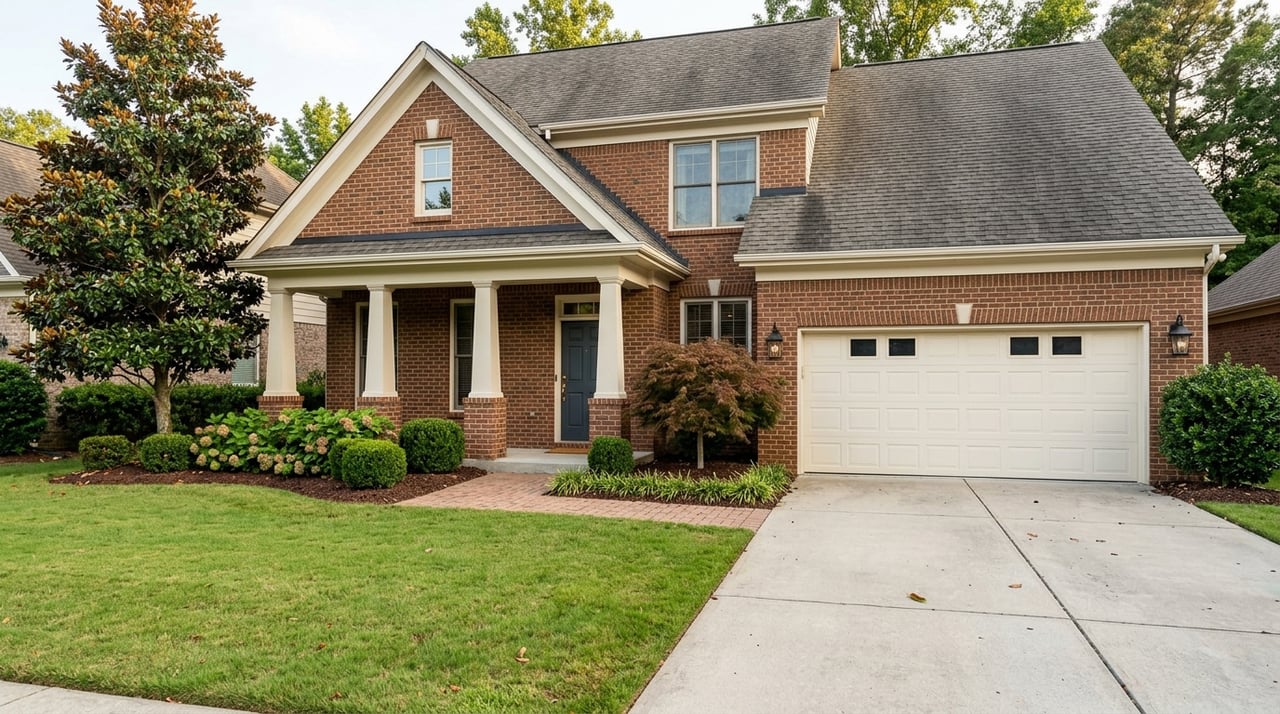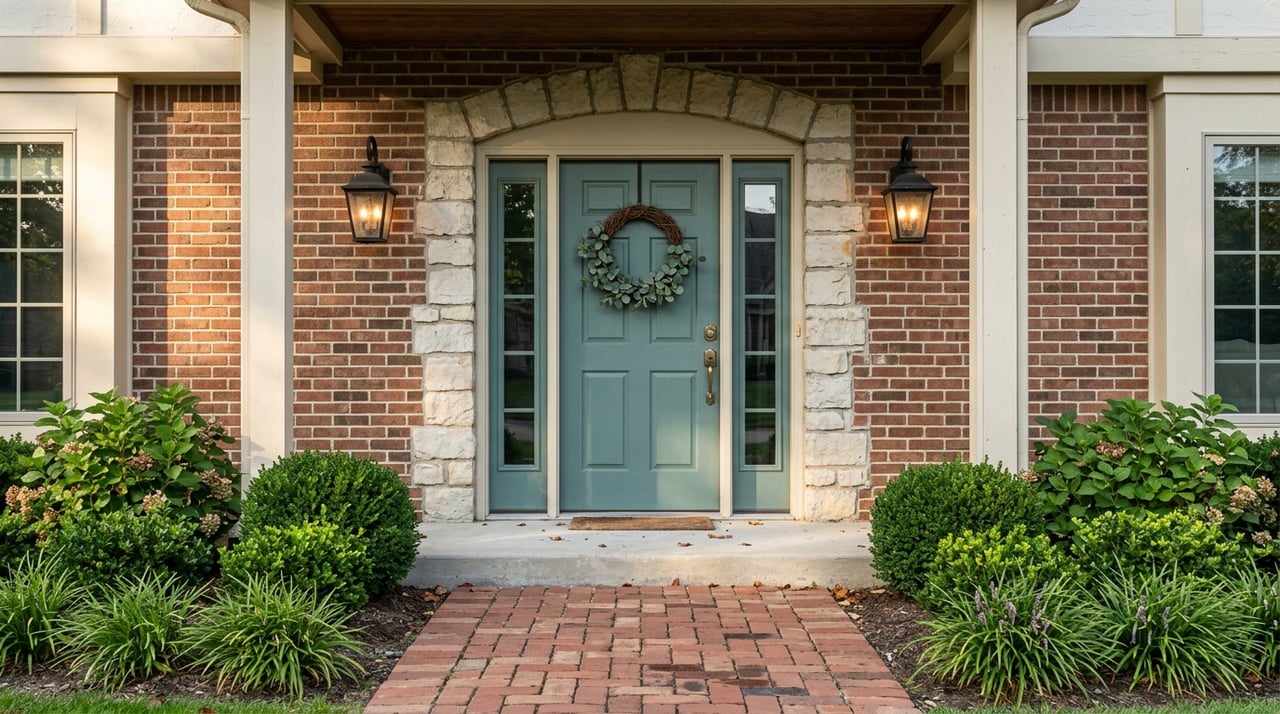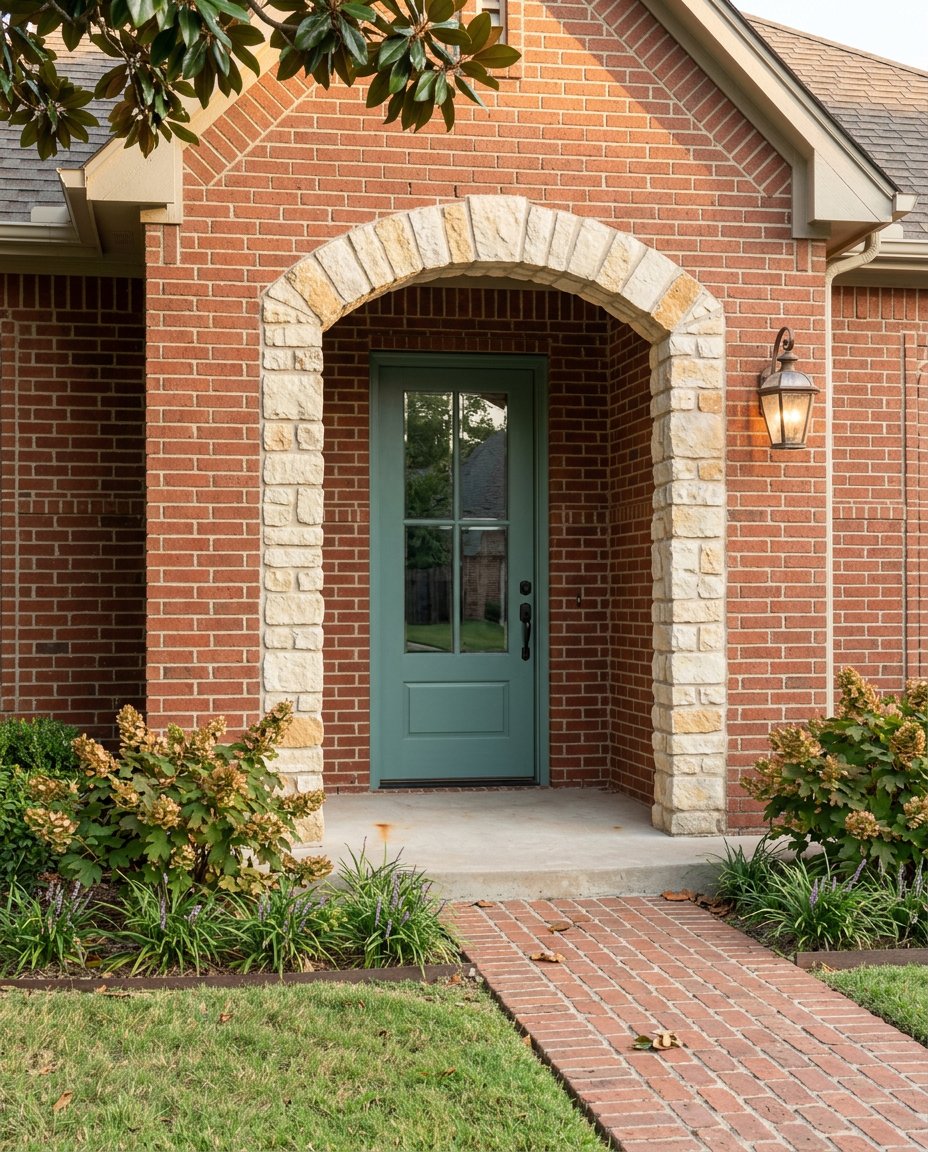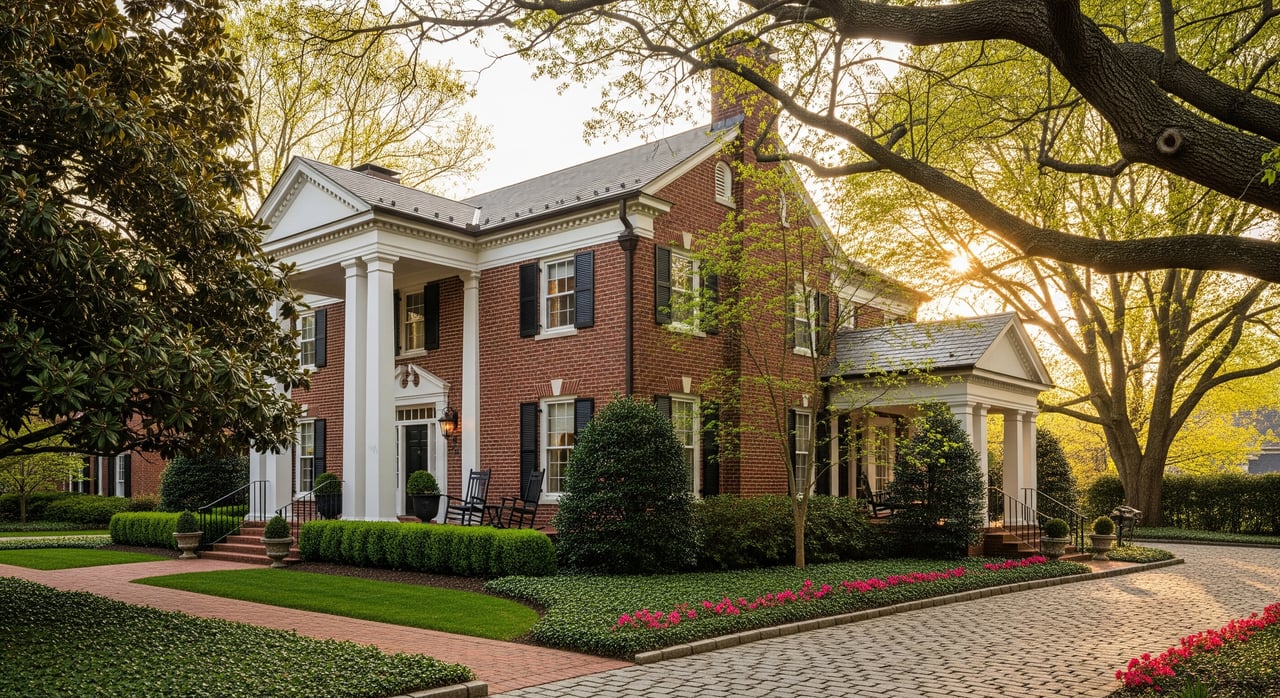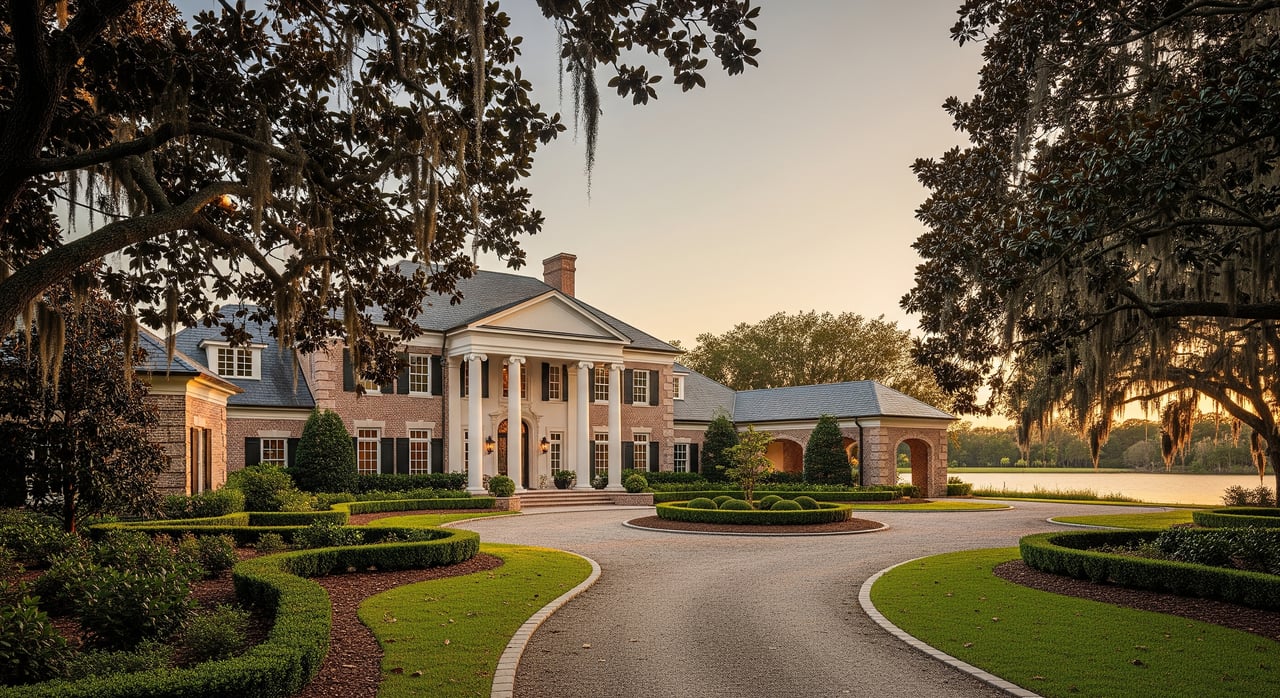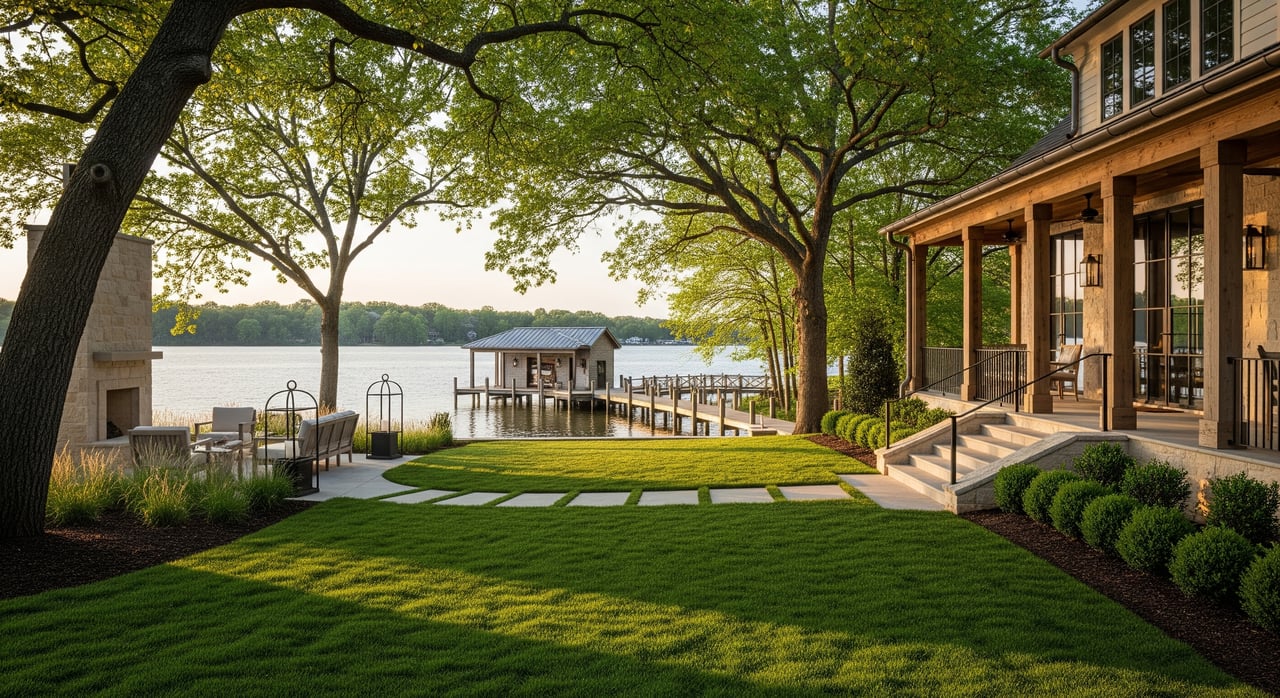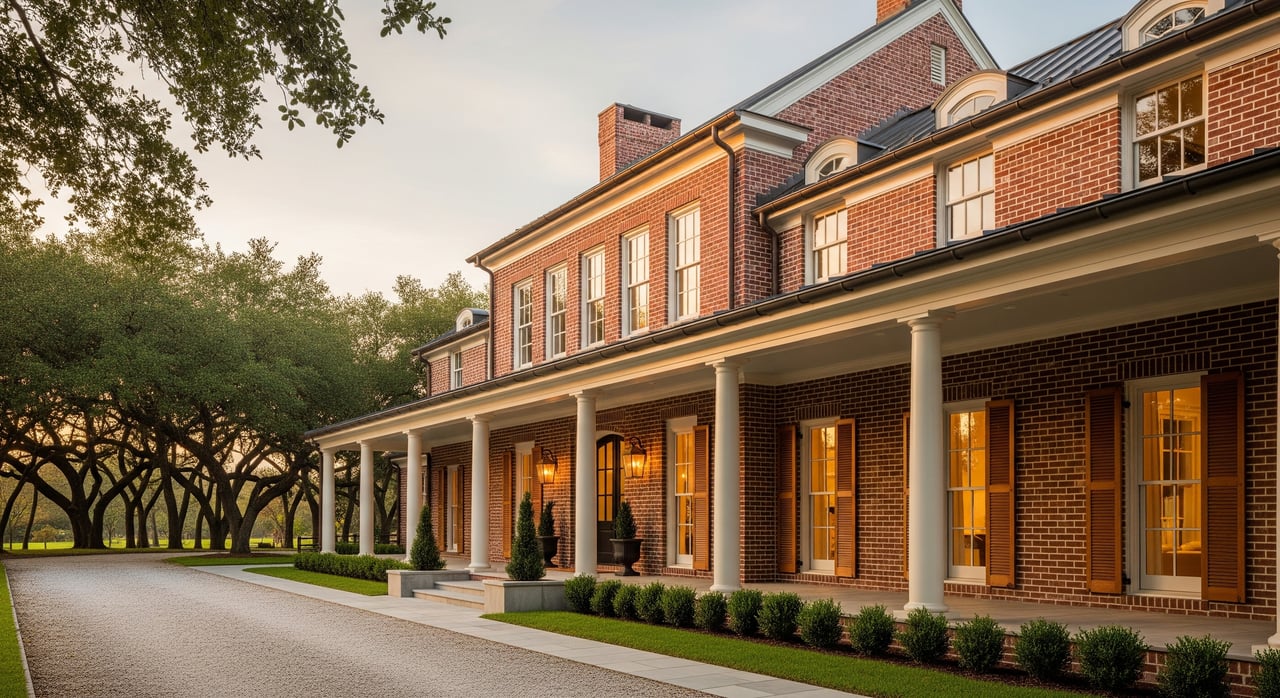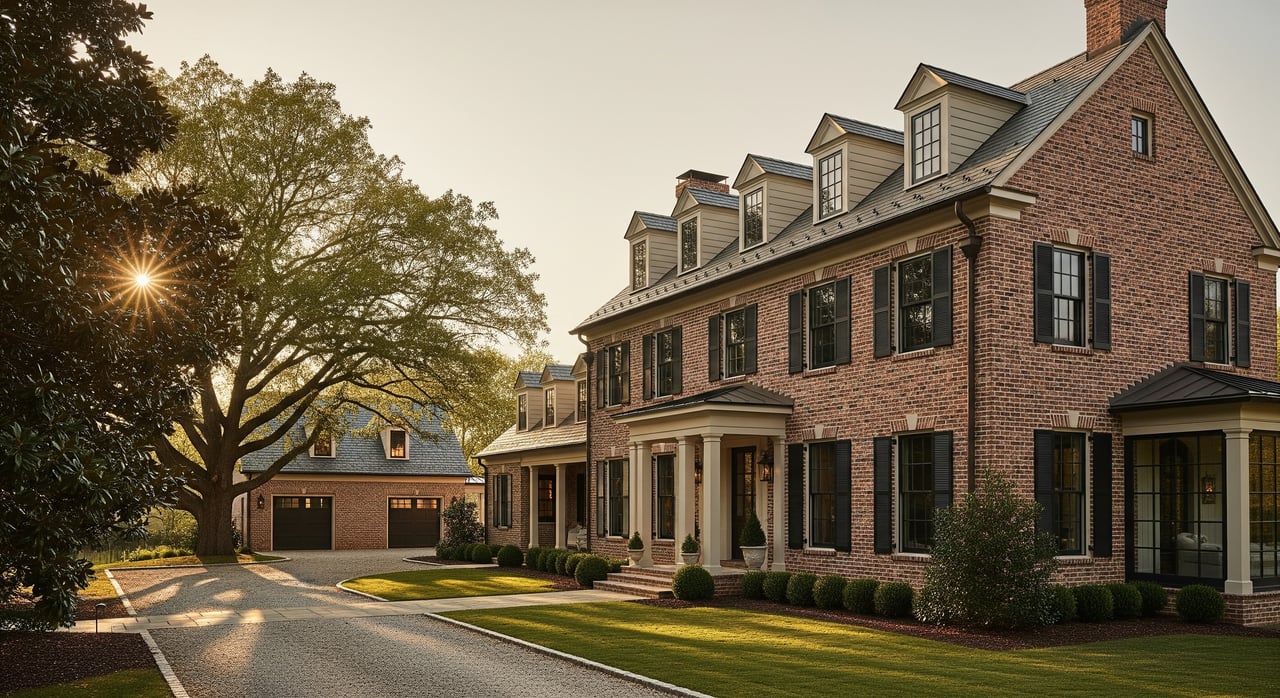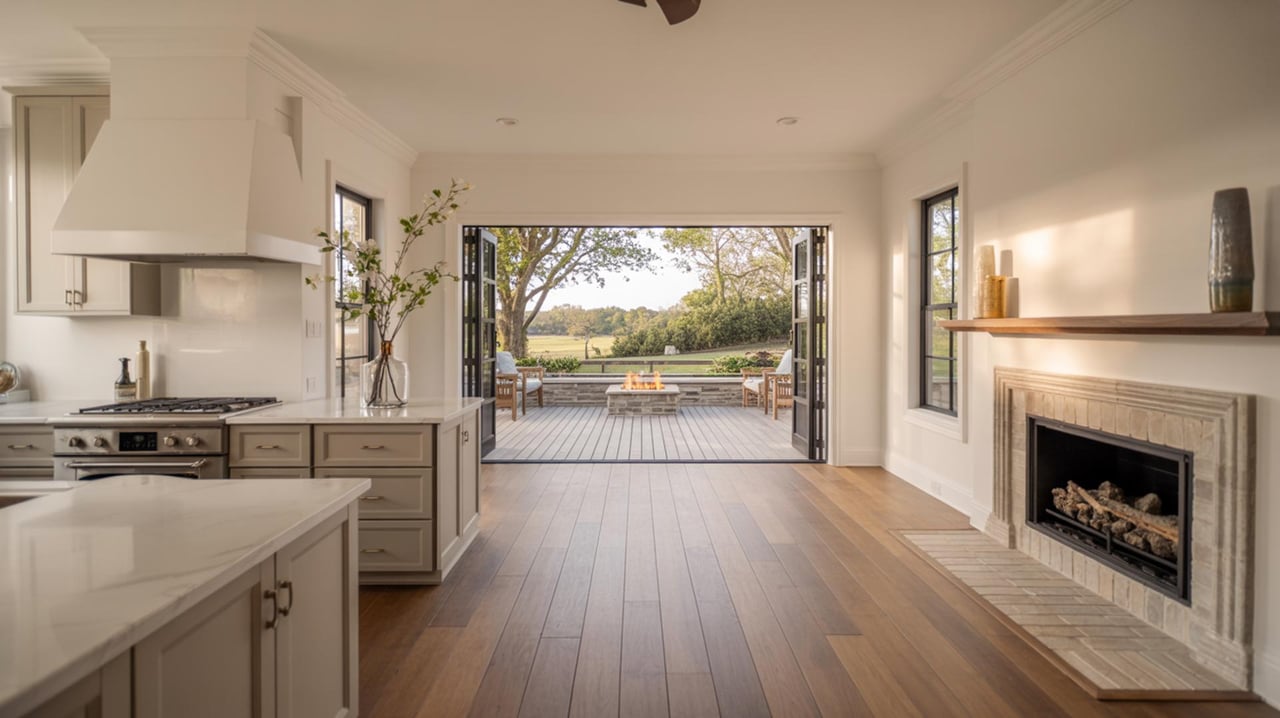
Trying to decide between a brand-new home or a well-kept resale in Lakeland, TN? You are not alone. With steady growth and a mix of new communities and established neighborhoods, Lakeland gives you real choices. In this guide, you will learn how new construction and resale homes compare on price, timelines, inspections, amenities, taxes, and long-term upkeep so you can buy with confidence. Let’s dive in.
Lakeland market at a glance
Lakeland is a small, growing suburb northeast of Memphis with an estimated population of about 14,416 as of July 1, 2024, according to the U.S. Census QuickFacts for Lakeland city, Tennessee. You can use this scale to gauge the feel of services, schools, and neighborhood growth around town. Review the latest population snapshot on the official Census QuickFacts page for Lakeland.
On pricing, different sources track the market in different ways. Recent snapshots show a median sale price near $517,500 as of January 2026 when using MLS-based sales reporting, while a typical home value measure shows about $439,082 as of late 2025 based on a model of market value. Those figures use different methodologies, which explains the gap. For your decision, rely on live MLS data for the most current pricing and days on market when you are ready to write an offer.
Inventory here includes both new-build subdivisions and a healthy mix of resale homes. Many new neighborhoods offer community amenities, which can command a premium. Typical lots in recent subdivisions often range from about 0.23 to 0.30 acres, while the median among active listings sits around 0.32 acres. Older resale properties can extend to larger parcels.
New construction in Lakeland: what to expect
Communities and price ranges
Builders continue to add supply in Lakeland in communities like Lakeland Meadows and newly approved projects described as Evergreen or Evergreen PD. Regional builders commonly market homes from the high 500s into the 700s in certain phases. If you are comparing value across communities, ask for a current list of available lots, base prices by plan, and any quick-move-in options that include completed finishes.
Lots, layouts, and amenities
In many new subdivisions, lot sizes often fall between roughly 10,000 and 13,000 square feet. You will see modern, open layouts, energy-efficient components, and builder-curated finishes. Neighborhood amenities like pools, courts, or pickleball are common and usually supported by HOA fees. Ask about the HOA’s annual dues, what the fees cover, and the timeline for amenity completion.
Customization and selections
You can often personalize a new build, but your options depend on the construction stage:
- Inventory or spec homes: finishes are largely set. You may still pick minor items if timing allows.
- To-be-built or semi-custom: you typically select cabinets, counters, flooring, lighting, and some structural options within the plan set.
- Full custom: a different path entirely with separate timelines, budgets, and contracts.
Get the builder’s design catalog and cut-off dates in writing so you do not miss selection windows.
Build timeline and permits
A typical single-family build is often quoted around 6 to 12 months from sitework to move-in, depending on weather, material availability, and inspections. In Lakeland, permitting runs through the city, with some projects also requiring Shelby County permits. For official guidance and contacts, review the city’s Permits and Planning page.
Inspections and builder warranties
Do not skip independent inspections just because the home is new. Municipal inspections verify code compliance at scheduled checkpoints, but they do not represent you. Many buyers hire an inspector for a pre-drywall review and a final inspection before closing. Learn what is included in phased and new-construction inspections from the American Society of Home Inspectors.
Most builders provide a written warranty package. A common structure in the industry is a 1–2–10 model: one year on workmanship, two years on major systems, and up to ten years on structural components. Always request the complete warranty and ask how coverage is triggered and transferred. You can read a plain-language overview on the 2-10 Home Buyers Warranty site.
Financing for a new build
Financing can be different for new construction. You may use a traditional mortgage on a completed spec home, or you might use a construction-to-permanent loan that converts to a long-term mortgage at completion. Lenders vary in how they handle interest during construction, re-qualification, and rate locks. Connect your lender and builder early so timelines, draws, and closing steps stay in sync.
Resale homes in Lakeland: benefits and tradeoffs
What you often find
Resale options in Lakeland range from relatively recent homes on quarter-acre lots to older properties with larger yards. You may see mature landscaping, established streetscapes, and construction details not always found in current models. Resales can be move-in ready with upgrades, or they may offer a chance to buy more space at a lower price and update over time.
Inspection focus areas
A full home inspection is essential for resale purchases. Expect a thorough review of structure, roof, HVAC, plumbing, electrical, and major systems. Learn what a standard inspection covers through ASHI’s consumer resources.
If the home was built before 1978, federal rules require a lead-based paint disclosure and give you the right to an inspection period and an EPA information pamphlet. You can read more about buyer protections and disclosures on the EPA’s lead-based paint page.
Tennessee has measurable radon risk. The state recommends testing all homes and offers guidance on mitigation and radon-resistant construction. If you are buying a resale, consider adding a radon test during inspections. See current recommendations and resources on the Tennessee Radon Program page.
Always check flood risk. Flood zones can affect insurance costs and loan approval. Enter the property address in the official FEMA Flood Map Service Center to confirm a home’s flood zone designation.
For properties on the edge of town or with acreage, verify whether the home is connected to public water and sewer or relies on well and septic. Ask for maintenance records and any permits related to past repairs or replacements.
Negotiation levers that matter
- Inspection findings that reveal needed repairs or near-term replacements
- Comparable sales for similar homes and lot sizes in the area
- Days on market and seasonality, which can affect seller flexibility
Taxes, assessments, and utilities
Property taxes in Lakeland include a city portion and a county portion. The City of Lakeland lists its FY2025–26 equalized property tax rate as $0.94 per $100 of assessed value for the city portion. You can review the latest details on the City of Lakeland’s Property Tax Information page.
New construction can trigger a change in assessed value when the home is completed. That can lead to a supplemental bill for the partial year. When comparing new vs. resale, look up the parcel’s current assessed value, confirm how completion will affect that value, and factor city plus county taxes into your budget.
For utilities, many newer neighborhoods show public water and public sewer connections. Always confirm service providers, connection type, and any tap or impact fees that may apply with new construction. On resales, ask for recent utility bills to estimate monthly costs.
Schools and community context
Lakeland School System operates as the municipal district and now serves K–12 with Lakeland Elementary and Lakeland Preparatory. To understand attendance zones, calendars, and district announcements, go straight to the official Lakeland School System site. When you compare new vs. resale, consider how bus routes, school start times, and commute patterns fit your daily life.
Decision checklist: new vs. resale
If you are leaning toward new construction
- Confirm the builder’s license, insurance, and recent local activity. Verify contractor licensing through the Tennessee Board for Licensing Contractors and ask for references.
- Request the written warranty package and coverage terms (the common 1–2–10 model). Review an overview on 2-10 Home Buyers Warranty.
- Build your inspection plan into the contract. Ask for pre-drywall and final inspection rights, and consider an 11th-month inspection. See phased inspection guidance from ASHI.
- Get clear on permitting and timeline expectations with the city and county. Start with Lakeland’s Permits and Planning page and ask your builder how they track approvals.
- Confirm HOA dues, what they cover, and amenity delivery dates. Ask whether there are capital contribution fees or initiation fees at closing.
If you are leaning toward a resale home
- Order a comprehensive home inspection and add specialty tests as needed: radon, mold, sewer scope, and lead-based paint testing for pre-1978 homes. See testing guidance from ASHI and the EPA.
- Check the address in the FEMA Flood Map Service Center and factor potential flood insurance into your monthly budget.
- Verify utilities (public water/sewer vs. septic/well) and request maintenance records for HVAC, roof, and major systems. Compare the cost of near-term replacements to builder-included features in similarly sized new homes.
- Review property taxes and assessment history using county tools, and confirm whether any supplemental assessments could apply after improvements.
Which path is right for you?
Choose new construction if you want modern layouts, energy efficiency, and the ability to personalize finishes, and you can work within a 6 to 12 month timeline. Choose resale if you value established neighborhoods, mature landscaping, and potentially larger lots, and you are open to updates over time.
Both paths can be smart in Lakeland. Align the decision with your budget, commute, school preferences, and how hands-on you want to be with projects. If you want help comparing specific communities, HOAs, tax estimates, or inspection strategies, let’s talk.
Ready to explore the best fit for your family? Schedule a Free Consultation with Rachel Goss to map your path and start touring with a clear plan.
FAQs
Are new-construction homes in Lakeland inspected by the city, and do I still need my own inspector?
- Yes, city inspectors check code compliance, but you should still hire your own inspector for a pre-drywall review and a final walk-through to protect your interests.
How long does it usually take to build a new home in Lakeland?
- Many single-family builds are quoted around 6 to 12 months, depending on weather, material availability, and permitting schedules.
What is a typical builder warranty on a new home?
- Many builders offer a 1–2–10 structure (one year workmanship, two years systems, and up to ten years structural), but you should verify exact terms in writing.
What special inspections should I consider on a resale home?
- In addition to a standard home inspection, consider radon testing, a sewer scope, roof evaluation, and lead-based paint testing for homes built before 1978.
How do property taxes work for new construction vs. resale in Lakeland?
- New construction can see an assessment change at completion that may lead to a supplemental bill, while resales reflect existing assessed values that you can review before closing.