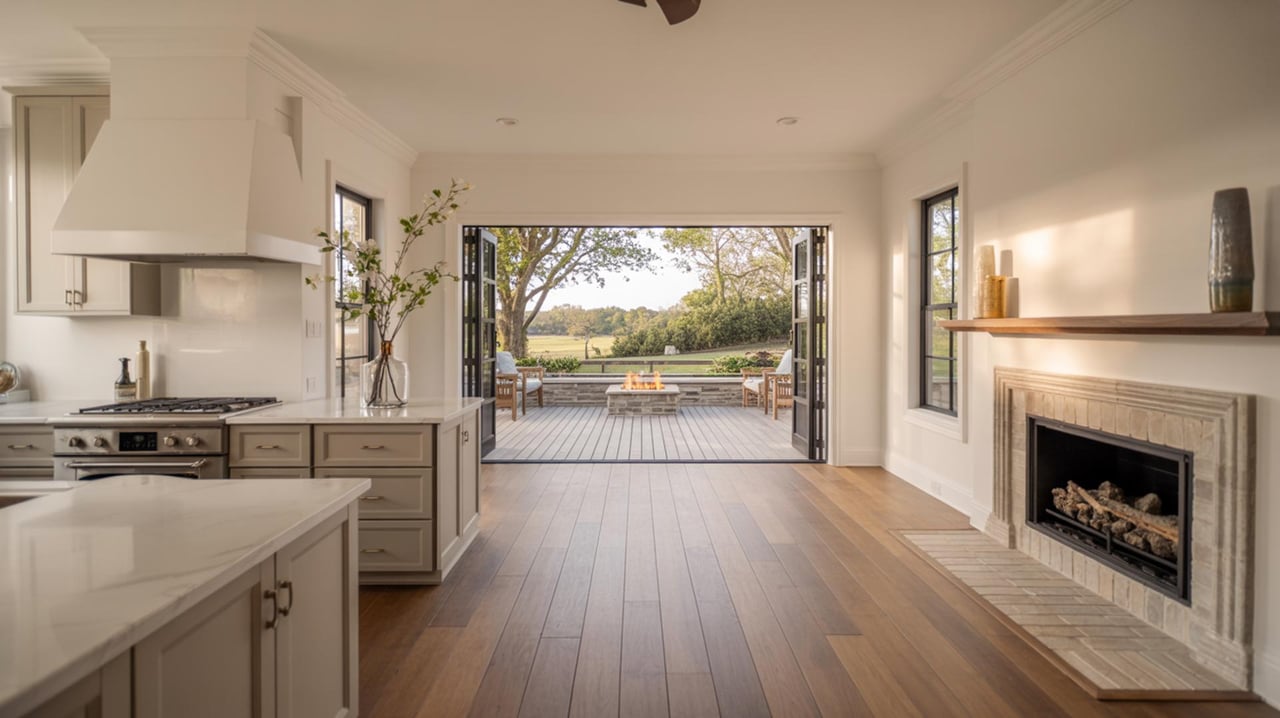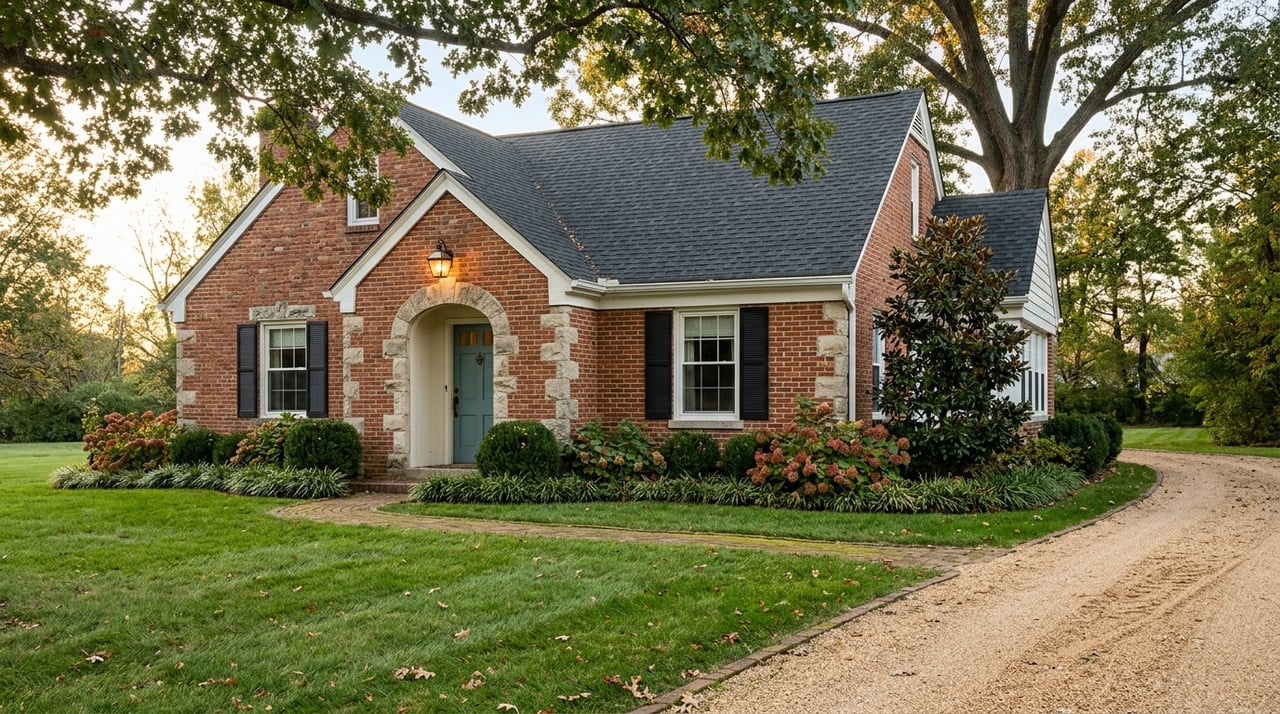
Want more space to spread out without feeling too far removed from the Memphis suburbs? For many buyers, Eads offers exactly that kind of opportunity. If you are thinking about buying a home on more land here, it helps to know that acreage living often comes with different utility setups, maintenance needs, and daily routines than a typical suburban neighborhood. Let’s dive in.
Why Eads Feels Different
One of the first things buyers notice about Eads is that it feels more land-oriented than nearby suburbs. Shelby County planning materials describe parts of Eads east of I-269 as an area with estate-sized lots, mature trees, and large vacant tracts. In local case reviews, the county referenced parcels as large as 77.15 acres and 85.39 acres, with some lots around 4 acres and one lot around 54 acres.
That larger-lot pattern helps explain why Eads often feels more spacious than places like Germantown or Collierville. According to U.S. Census QuickFacts, Germantown has a population density of 2,068.1 people per square mile and Collierville has 1,413.3, while Fayette County is much more spread out at 59.6 people per square mile. If you are looking for privacy, mature trees, and room for outdoor living, Eads may feel like a better match than a more compact suburban setting.
Verify the Parcel First
A key expectation in Eads is that you should verify the exact parcel location before making assumptions about taxes, utilities, or regulations. Planning documents note that Eads is generally placed in eastern unincorporated Shelby County, but Fayette County parcel records also include Eads, TN 38028 addresses. In other words, an Eads mailing address does not automatically tell you which county a property is in.
That is important because land use rules, utility access, and commute expectations can vary depending on the parcel. Shelby County specifically notes this overlap in its planning documents for the area. When you are buying acreage, parcel-level due diligence matters.
Expect Utilities To Be Parcel-Specific
In a traditional subdivision, buyers often assume utility service is straightforward. In Eads, that is not always the case. County staff reports on local subdivisions show that some parcels may have public water available but no public sewer, especially after certain areas lost access to city sewer connections following the January 2020 de-annexation referenced in Shelby County staff materials.
That means the way a property is serviced can directly affect what you can build, how the lot is used, and even the minimum lot size. Under the Shelby County Unified Development Code, lots without public sewer generally must be at least 2 acres after road dedication. Lots that need both a private septic system and a private well generally must be at least 4 acres after road dedication.
For buyers, the big takeaway is simple: acreage does not just mean more room. It often means more planning around water, sewer, and site conditions.
Septic And Well Ownership Means More Responsibility
If you are buying a home with a private well or septic system, you should expect a more hands-on ownership experience. Tennessee guidance states that if your water source is a private well, spring, or pond, you are responsible for water-quality testing and ongoing maintenance. The state also advises that septic systems should be inspected regularly and pumped about every three to five years, depending on use and condition.
You can review that guidance through the Tennessee Department of Health. The same resource also reminds homeowners not to drive on the drain field, which is an easy detail to overlook when you have extra land and more flexibility in how you use it.
This does not make acreage ownership a bad fit. It just means you should go in with clear expectations. If you are used to municipal-style service in a denser suburb, this can be one of the biggest day-to-day differences.
Driveway Access May Need Extra Steps
Another common surprise for acreage buyers is driveway access. In Shelby County, access from a public road requires a driveway permit. That permit process helps the county review line-of-sight and stormwater requirements, and if a ditch must be crossed, the county determines the culvert size.
On a typical neighborhood lot, you may not think much about how the driveway meets the road. On a larger parcel, especially one with drainage features or rural road frontage, that access point can require more homework. This is one of those details that is worth checking early, not after you are already emotionally committed to a property.
More Land Usually Means More Upkeep
More land can absolutely give you more privacy and flexibility. It can also mean more mowing, more tree care, more drainage awareness, and more seasonal outdoor work. The University of Tennessee Extension Tennessee Smart Yard materials encourage homeowners to think carefully about how much mowing, pruning, and weeding they are actually willing to handle before planning a yard or landscape.
That advice fits Eads well. Local county subdivision reviews in the area often mention drainage, streams, roadside ditches, rip-rap, and stormwater detention. In practical terms, the land itself may need more attention than a smaller suburban lot.
Before you buy, it helps to think through questions like these:
- How much lawn do you really want to mow or maintain?
- Are there mature trees that may need trimming or cleanup?
- Does the property have noticeable slopes, wet areas, or drainage paths?
- Do you want room for gardens, pets, or future outdoor additions?
- Are you prepared for more seasonal maintenance than you would have on a smaller lot?
Those questions are not meant to discourage you. They are meant to help you choose a property that fits your real lifestyle.
Drainage Matters More Than Many Buyers Expect
On larger lots, drainage can be easy to underestimate. Shelby County materials tied to Eads-area reviews and homeowner guidance point buyers toward practical site concerns like finished-floor elevation, yard slope, and stormwater flow. The county notes that during heavy rain, stormwater can still rise into streets and yards when rainfall exceeds system capacity.
That is why site review matters. Shelby County guidance recommends making sure the ground slopes away from the house and consulting a licensed civil engineer when flood potential is uncertain, as outlined in its planning and review materials. If a property has ditches, low spots, or visible runoff patterns, those features deserve close attention during your diligence period.
HOA Assumptions Can Be Wrong
Some buyers assume that if they are buying acreage, there will be fewer shared rules or common responsibilities. That is not always true. Shelby County planning documents note that some Eads developments assign maintenance responsibilities to an HOA for things like common open space, stormwater systems, trails, paths, and mailbox units.
So even if a property offers more land and privacy, you should still review any HOA documents carefully. Larger lots do not automatically mean no association structure. In some cases, shared maintenance is still part of the ownership picture.
Commute Tradeoffs Are Real
Space and privacy are often the main reasons buyers look at Eads, but commute time is part of the trade. According to U.S. Census QuickFacts for Shelby County, the mean travel time to work is 22.5 minutes in Shelby County. In Fayette County, that figure is 34.2 minutes.
That broader county-level comparison does not tell you the exact drive from any given property, but it does highlight a common pattern. As you move farther east into a more rural edge of the market, longer routine drives become more likely. If you love the idea of more land, make sure you also feel comfortable with the day-to-day travel that may come with it.
What Type Of Buyer Often Fits Eads Best
Eads can be a great fit if you value privacy, mature trees, room to spread out, and flexibility for outdoor living. It may also appeal to you if you are comfortable doing more upfront homework on utilities, drainage, septic, and driveway access. Buyers who enjoy space and do not mind a little more property management often see real value here.
At the same time, Eads may feel less convenient if you want a more compact, lower-maintenance suburban setup. The right choice depends on how you want to live every day, not just how a property looks during a showing. The goal is to match the land to your lifestyle.
If you are weighing whether more land in Eads makes sense for your next move, working with someone who understands the local differences can make the process much smoother. Rachel Goss can help you evaluate acreage opportunities, ask the right questions early, and move forward with clarity and confidence.
FAQs
What should buyers expect from utilities on acreage in Eads?
- Utility service may vary by parcel, and some properties may have public water but not public sewer, which can affect septic needs, lot requirements, and planning.
What should buyers know about wells and septic systems in Eads?
- If a property has a private well or septic system, you should expect ongoing homeowner responsibility for water testing, inspections, maintenance, and regular septic pumping.
What should buyers know about lot size rules in Eads?
- In Shelby County, lots without public sewer generally must be at least 2 acres after road dedication, and lots needing both private septic and a private well generally must be at least 4 acres after road dedication.
What should buyers know about drainage on larger Eads properties?
- Drainage deserves close review because larger parcels may involve ditches, slopes, stormwater detention, or runoff patterns that affect how the land functions during heavy rain.
What should buyers know about commute times when moving to Eads?
- Buyers should plan for the possibility of longer routine drives, especially if the property is farther east in a more rural part of the market.
What should buyers verify first when shopping for land or a home in Eads?
- You should verify the exact parcel location first, because an Eads mailing address may fall in either Shelby County or Fayette County and that can affect regulations, utilities, and logistics.