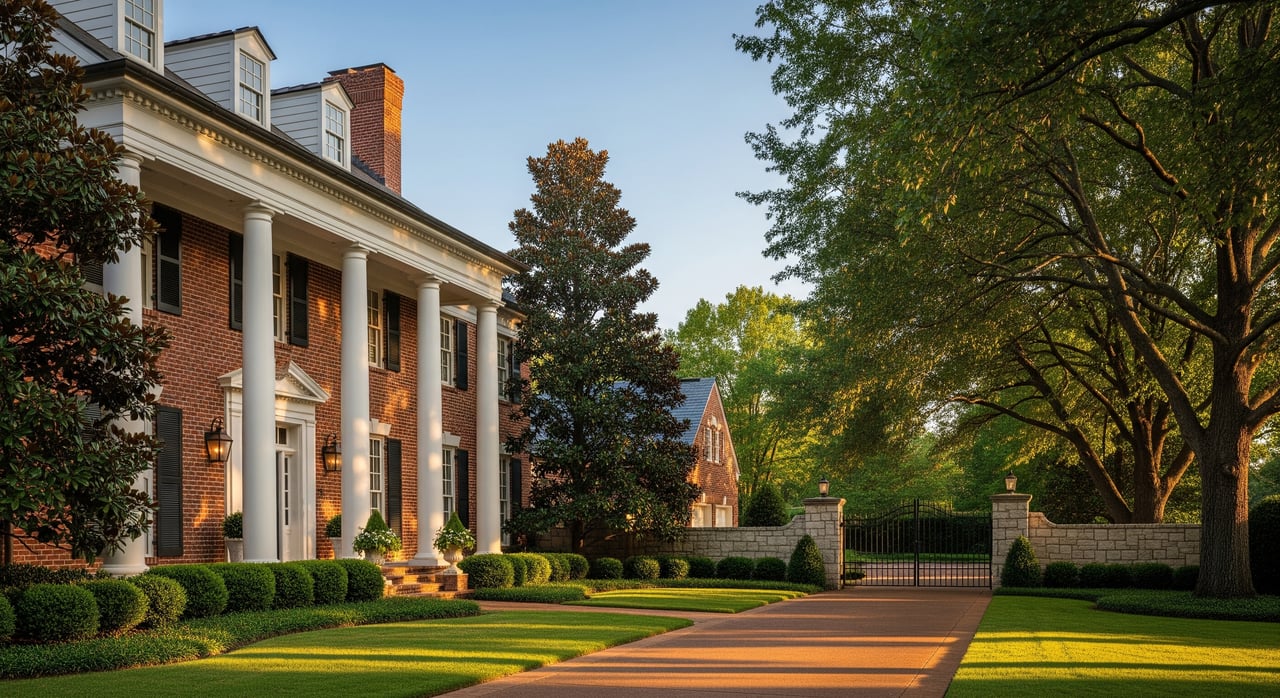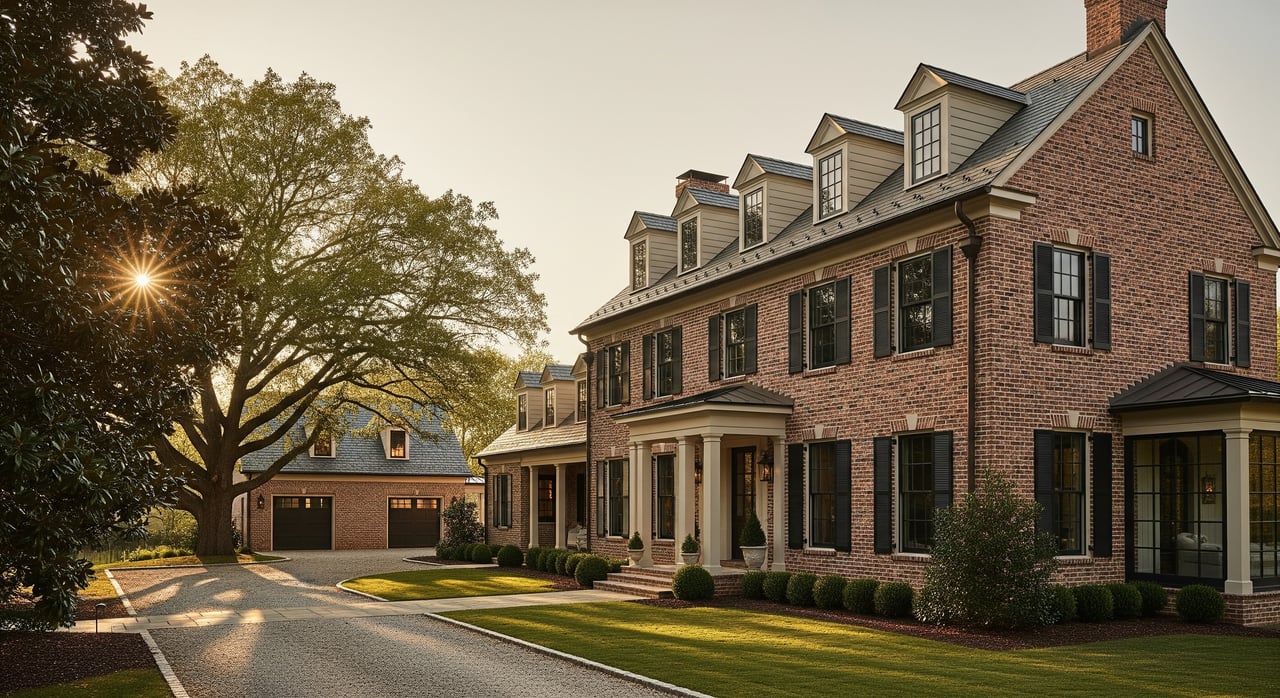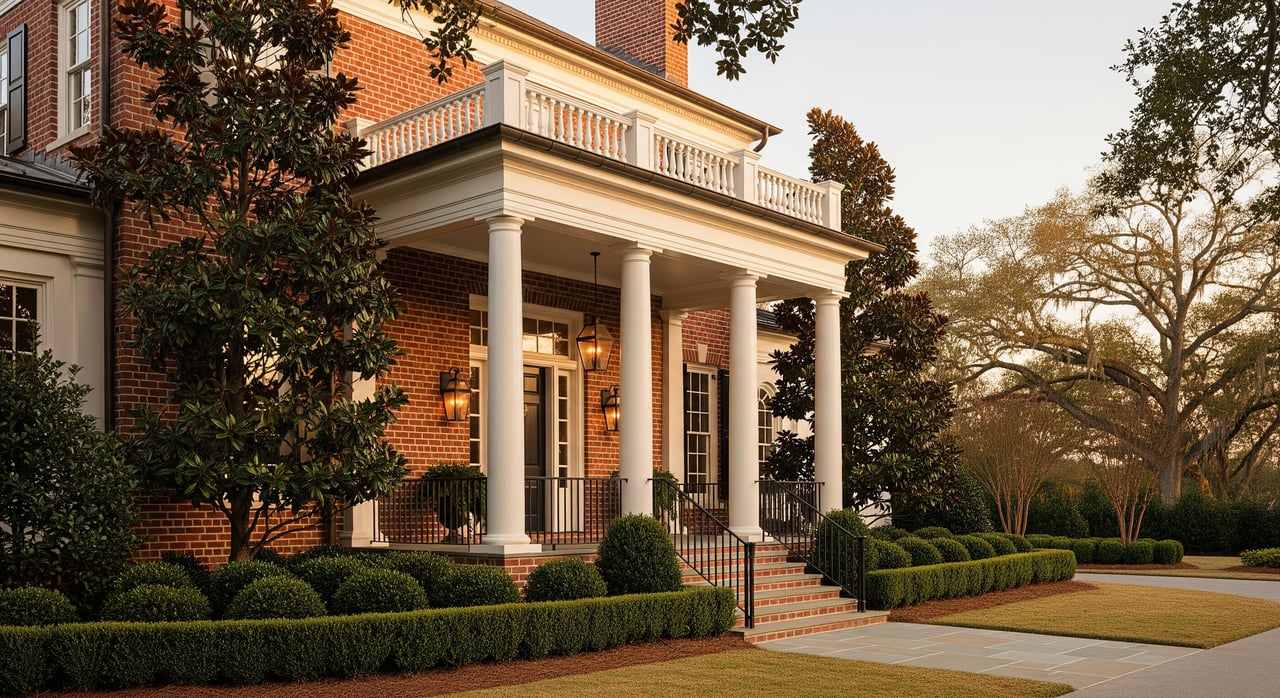
If you are trying to choose between a newer subdivision and an established neighborhood in Millington, you are not alone. This is one of the most common questions buyers ask because the right fit often comes down to how you want to live day to day, not just how a home looks online. In Millington, the difference is often less about new versus old and more about layout, lot pattern, upkeep, convenience, and future flexibility. Let’s break down what that means for you.
Why this choice matters in Millington
Millington is a stable residential market with 10,582 residents, 5,190 housing units, and a median owner-occupied home value of $207,300. Census data also show that 92.5% of residents lived in the same house one year earlier, which suggests many people stay put once they find the right fit.
That matters because your neighborhood choice can shape your daily routine for years. In Millington, the biggest contrast is often between newer plats built under current subdivision rules and older areas, including Old Town, that developed before those standards were in place.
What newer neighborhoods usually offer
Newer Millington subdivisions are generally shaped by the city’s current subdivision regulations, which have been in place since January 2021. The planning department oversees subdivision review, zoning, land-use information, mapping, and related development functions.
In practical terms, that means newer neighborhoods are usually designed with current standards for street layout, drainage, erosion control, landscaping, screening, and lot arrangement. The city’s code also says subdivision design should consider proximity to shopping, employment, recreation, schools, and public transportation.
More predictable lot patterns
If you like consistency, newer neighborhoods may appeal to you. Planning records show examples like Northpointe Farms, reviewed as a 171-lot design plat on 53.995 acres, and Thornhill Phase 2, reviewed as 116 lots on 44.84 acres.
The city noted that Thornhill’s R-1 zoning allows lots with at least 80 feet of frontage and 10,000 square feet of area. That usually creates a more uniform feel from lot to lot, with fewer surprises in spacing and yard shape.
Current infrastructure standards
One reason some buyers lean toward newer areas is the appeal of more current infrastructure planning. Millington’s subdivision rules require attention to drainage, street design, and erosion control, which can affect how a neighborhood functions over time.
That does not mean every new subdivision is identical. It does mean the design process follows a more standardized set of city requirements than many older neighborhood patterns did.
HOA and shared maintenance questions
Newer planned developments may also come with HOA or developer-managed features. In one Millington subdivision agreement, the developer was responsible for public improvements such as water, sewer, streets, sidewalks, and lighting, while possible private amenities included fences, walls, lakes, swimming pools, tennis courts, open space, stormwater basins, and landscaping.
The city also noted that private amenities in that agreement would not be accepted for city maintenance. In Thornhill, the Planning Commission specifically said a street median would be maintained by the homeowners association.
For you, that means it is smart to ask:
- Is there an HOA?
- What areas are privately maintained?
- What does the HOA cover?
- Are there amenities, medians, or open spaces that owners help support?
What established neighborhoods usually offer
Established neighborhoods in Millington often reflect an earlier development pattern. The clearest official example is the Old Town overlay, which the city says was developed before current subdivision and zoning requirements.
The city created the overlay to retain the area’s character and historical feel. That makes Old Town a useful example of how an older neighborhood can differ from a newer subdivision.
More variety from house to house
Older sections often have a less standardized layout. The Old Town ordinance says many lots are smaller than current requirements, and building setbacks do not align with modern zoning in the same way.
The ordinance also shows there is no minimum lot area or lot width in Old Town, along with more flexible setbacks than the city’s newer subdivision model. For buyers, that can translate into a more traditional street feel and more variation from one property to the next.
Character and mature landscaping
If you are drawn to a neighborhood with less uniformity, an established area may be worth a closer look. Older neighborhoods can offer a street pattern and home placement that feel different from newer plats.
They may also have older landscaping and more mature trees simply because they have had more time to grow. If shade and an established look matter to you, that can be an important part of the decision.
Closer ties to Millington’s historic core
Some established neighborhoods may also sit closer to older civic and commercial corridors. Millington’s facility list places City Hall, the courts, police station, library, fire department, and water-related facilities on or near Nelson Road, Memphis Avenue, Navy Road, and Church Street.
The city also has a long history of retail and redevelopment along US-51 and Navy Road, including the Shops of Millington Farms on US-51 and recent planning activity on Navy Road. Depending on the location, that can mean easier access to errands and services, though some areas may be quieter or farther from daily destinations.
New vs. established: key trade-offs
Neither option is automatically better. The best fit depends on what matters most to you.
| Feature | Newer Neighborhoods | Established Neighborhoods |
|---|---|---|
| Layout | More predictable and standardized | More varied and less uniform |
| Lot pattern | Built under current subdivision rules | Often shaped by older plat patterns |
| Infrastructure planning | Current standards for streets, drainage, and erosion control | Older development pattern |
| HOA likelihood | More likely | May be less common depending on area |
| Private amenities | More likely in planned developments | Less typical |
| Character | Often more consistent in appearance | Often more variety and older neighborhood feel |
| Landscaping | Newer landscaping and screening plans | Mature trees and older landscaping may be more common |
| Location feel | Often designed with convenience in mind | May sit closer to older civic or retail corridors |
Questions to ask before you choose
The smartest way to compare neighborhoods in Millington is to go beyond square footage and price. A few targeted questions can help you avoid surprises later.
Ask about HOA details
If you are considering a newer planned development, ask whether there is an HOA and what it maintains. You should also ask whether any medians, open spaces, or amenities are privately maintained rather than handled by the city.
Compare lot size and shape
Lot layout can affect everything from backyard use to future projects. Newer plats usually follow current minimums and setbacks, while older districts like Old Town can have smaller or more irregular lots.
Think about your daily routes
Pay attention to how close a neighborhood is to the places you use most. Millington’s subdivision code specifically treats proximity to shopping, employment, recreation, schools, and public transportation as a design factor, but convenience can still vary street by street.
Look at future development nearby
If a quiet, settled feel matters to you, check whether nearby land is still being replatted or developed. Millington’s planning calendar, map gallery, and recent plats show that some parts of the city are still evolving.
Verify school zones by address
If school zoning is part of your search, verify it by the specific property address. Millington Municipal Schools provides a school-zone locator for address-by-address confirmation.
Ask about renovation flexibility
If you think you may want to add a deck, fence, room addition, or garage expansion later, ask early about what may apply. Millington directs homeowners to zoning rules, and permitting and inspections are handled by Shelby County Code Enforcement.
How to decide what fits you best
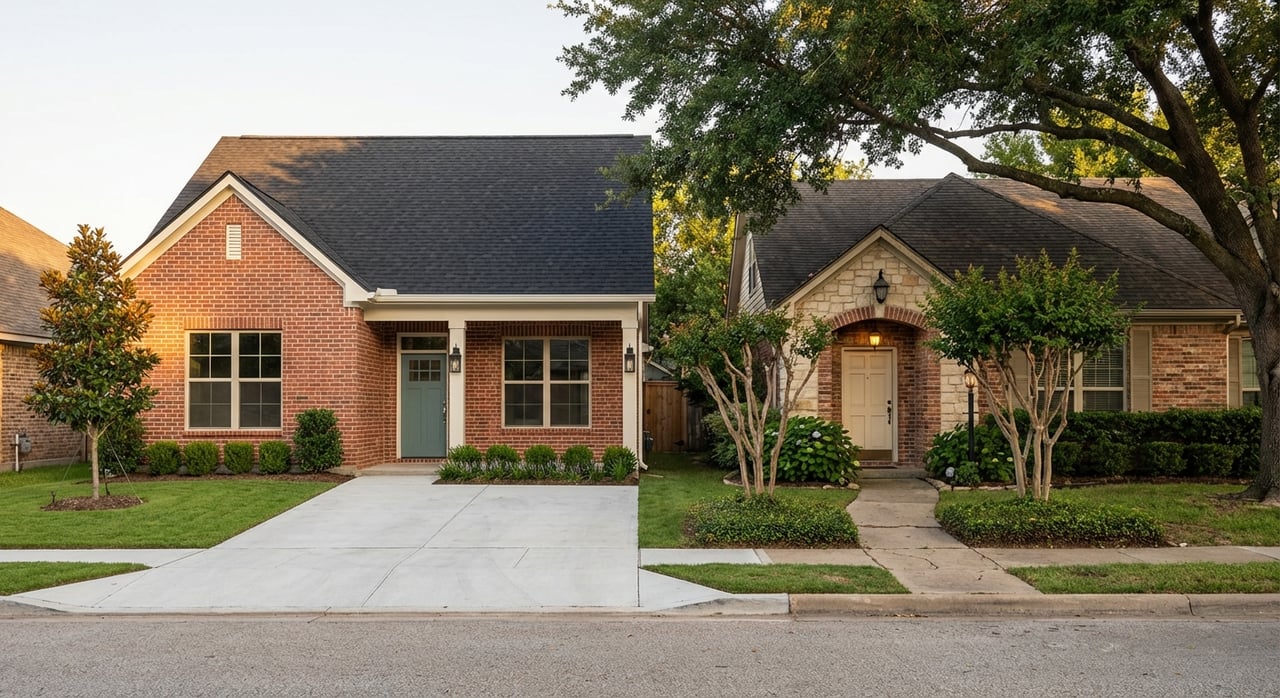
If you prefer a neighborhood with more predictable layouts, current planning standards, and possible shared amenities, a newer subdivision may feel like the better fit. If you value character, mature surroundings, and a more traditional street pattern, an established area may suit you better.
In Millington, this decision is really about trade-offs. Newer neighborhoods tend to offer more structure and standardization, while established areas often offer more personality and a stronger connection to the city’s earlier development pattern.
A good home search should match both the house and the way you want to live. If you want help comparing Millington neighborhoods block by block, Rachel Goss can help you narrow your options and move forward with clarity.
FAQs
What is the main difference between newer and established neighborhoods in Millington?
- In Millington, newer neighborhoods are typically built under current subdivision rules with more standardized layouts, while established neighborhoods often reflect older lot patterns, more flexible setbacks, and a different street feel.
Do newer Millington neighborhoods usually have HOAs?
- They are more likely to have HOA involvement, especially in planned developments with private amenities or shared features like medians, landscaping, or open space.
Are lot sizes different in older Millington neighborhoods?
- They can be. Older areas such as Old Town were developed before current subdivision rules, and city standards there allow more flexibility in lot area, lot width, and setbacks.
Are established neighborhoods in Millington closer to shopping and services?
- Some may be, especially if they are near older civic and commercial corridors like Nelson Road, Memphis Avenue, Navy Road, Church Street, or US-51, but convenience varies by location.
How can you verify a school zone for a Millington home?
- Use Millington Municipal Schools’ address-based school-zone locator to confirm the school zone for a specific property.
Who should you contact about future home projects in Millington?
- For zoning-related questions, Millington points homeowners to its planning and zoning resources, and permitting and inspections are handled by Shelby County Code Enforcement.