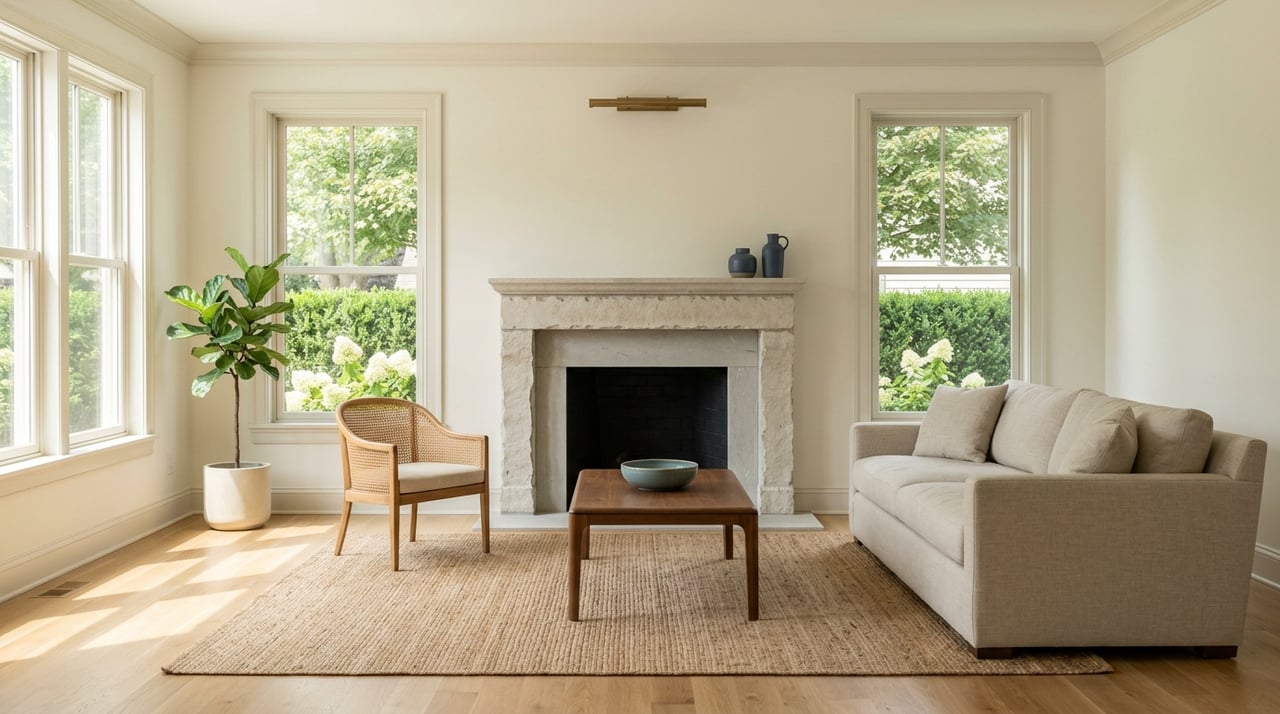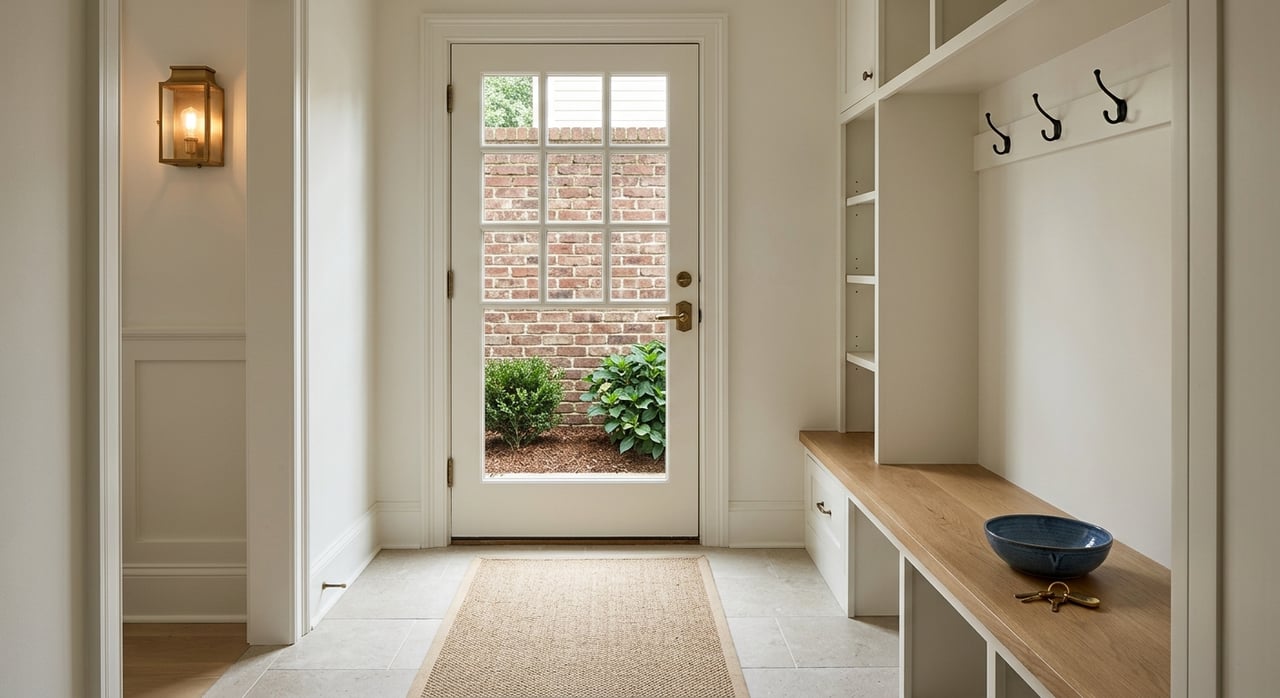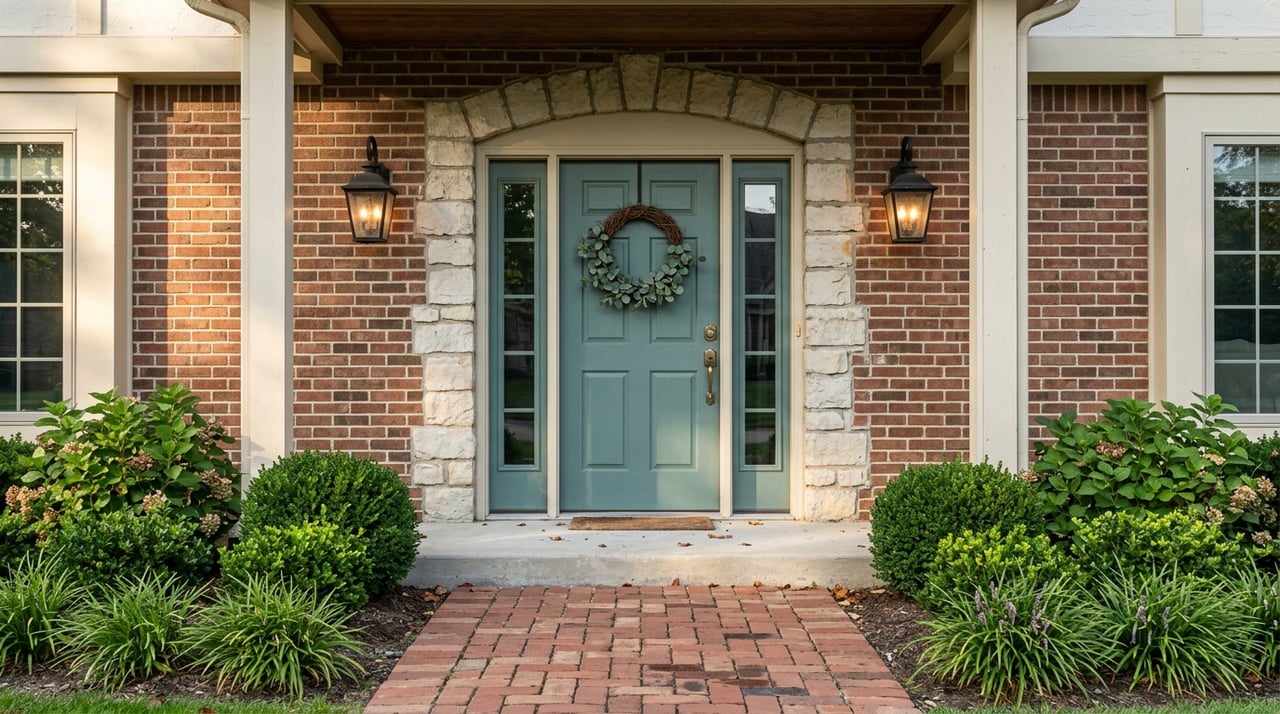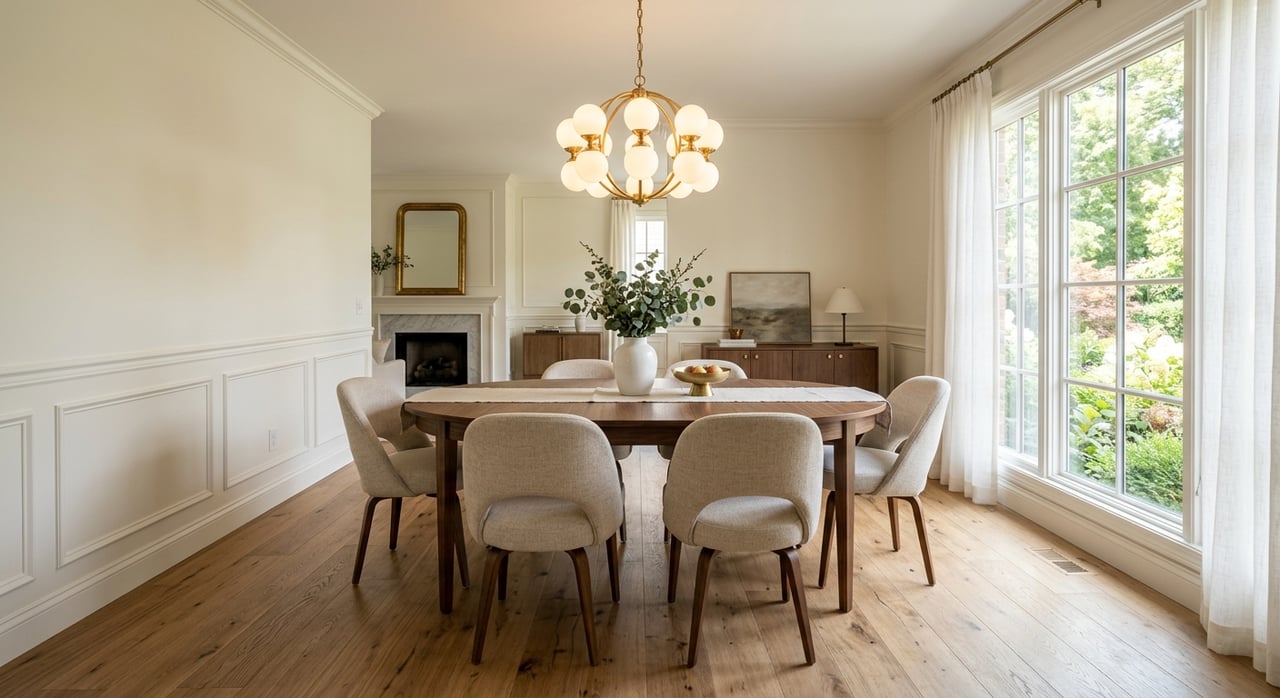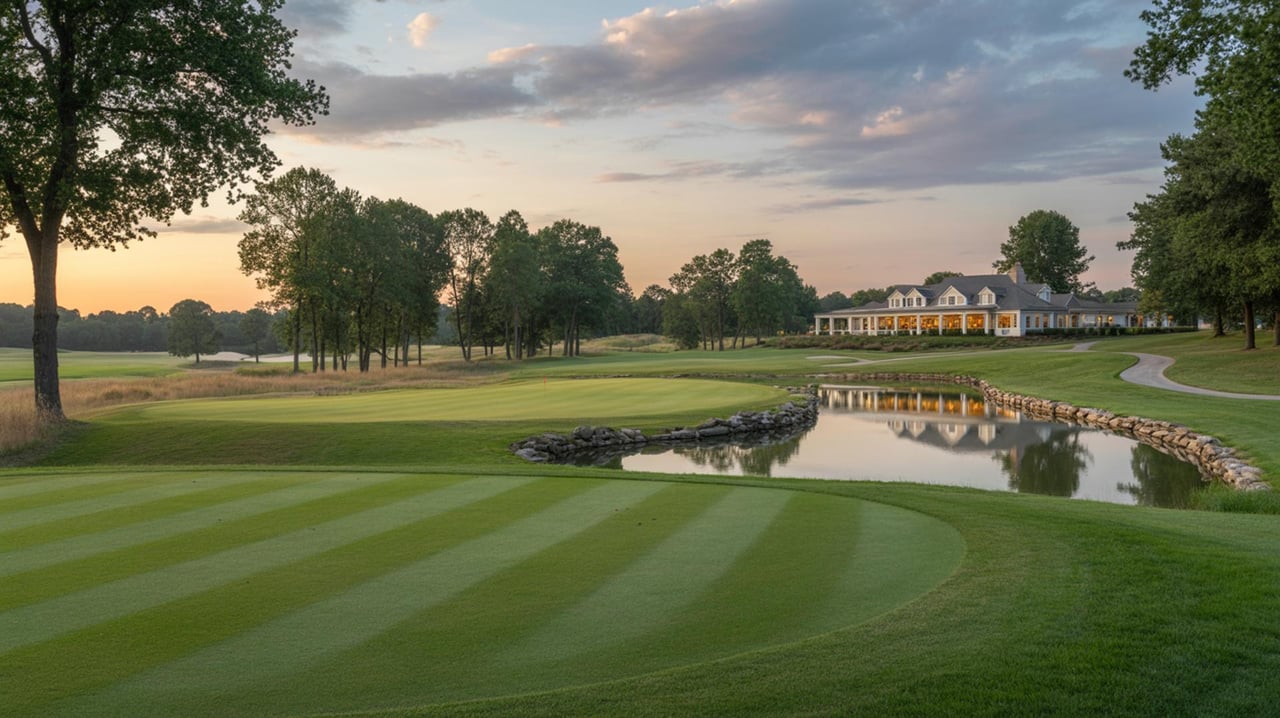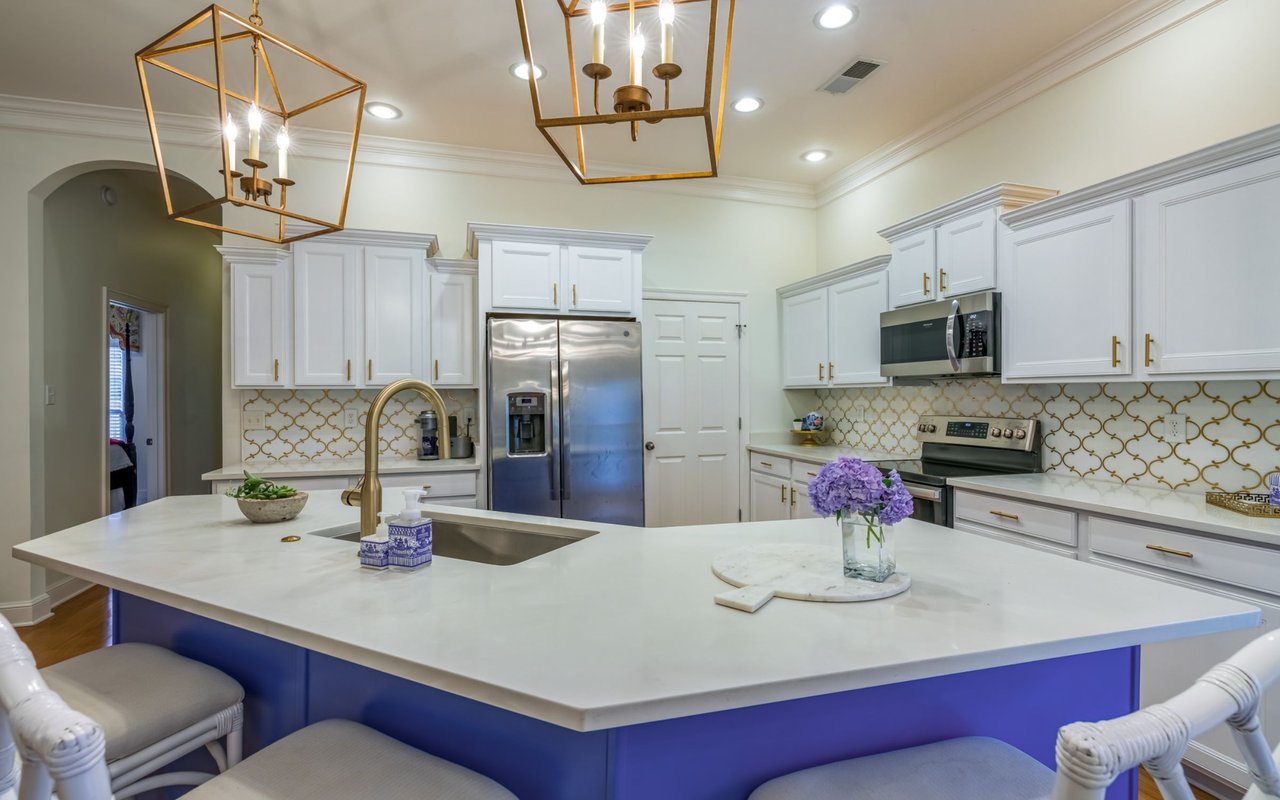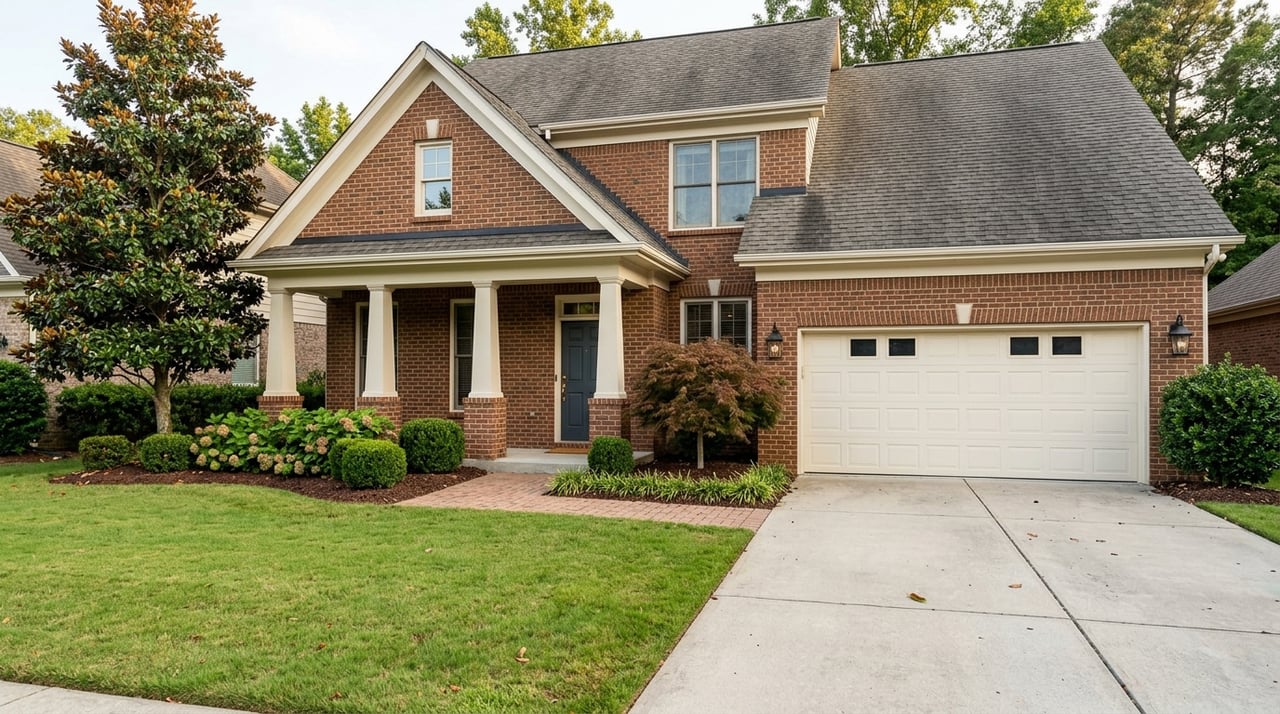
Thinking about life in Collierville? One of the first things you’ll notice is that this town offers two experiences at once: a historic small-town center and a largely suburban housing landscape built around single-family living. If you are trying to picture what daily life feels like here, or what kinds of homes you may actually find, this guide will help you connect the dots. Let’s dive in.
What daily life in Collierville feels like
Collierville covers 36.32 square miles and had an estimated population of 51,951 as of July 1, 2025. It also has a 79.9% owner-occupied housing rate, which helps explain why many parts of town feel established and residential. For buyers relocating from elsewhere in the Memphis suburbs, that often translates into neighborhoods with a lived-in, long-term feel.
At the same time, Collierville is not frozen in place. The town continues to grow, and local planning aims to balance business growth, recreation, and neighborhood character while preserving the charm many people associate with the area. That combination is a big reason Collierville can feel both polished and comfortable in everyday life.
For many residents, day-to-day routines are shaped by convenience and access. The mean travel time to work is 25.1 minutes, which gives you a practical snapshot of commuting life. Whether you are heading into another part of Shelby County or staying close to home, Collierville supports a suburban rhythm with local amenities woven into the town layout.
Why Collierville feels different block to block
One of the clearest ways to understand Collierville is to see it as a town with two distinct built forms. The planning department describes these as high-quality suburban or conventional development and a more historical or traditional downtown fabric. In simple terms, that means the Town Square area and the outer neighborhoods often feel very different from one another.
Near the historic core, you may notice a more compact pattern, older buildings, and a streetscape shaped over a longer period of time. In newer sections, you are more likely to see organized subdivisions, more uniform lot patterns, and the detached single-family homes that make up most of the housing stock. Neither is more “Collierville” than the other. Together, they create the town’s identity.
That matters when you start your home search. If you only look at listing photos, you can miss how different the surrounding streets, setbacks, and neighborhood layouts may feel in person. Understanding those differences early can help you narrow your search faster.
Home styles near the historic core
Collierville Town Square and the surrounding historic district are central to the town’s identity. The town describes the square as a year-round destination with shops, eateries, a museum, and a mix of architectural styles. Design guidelines tie the area’s look to late-19th-century southern railroad-town character, especially through vernacular brick buildings.
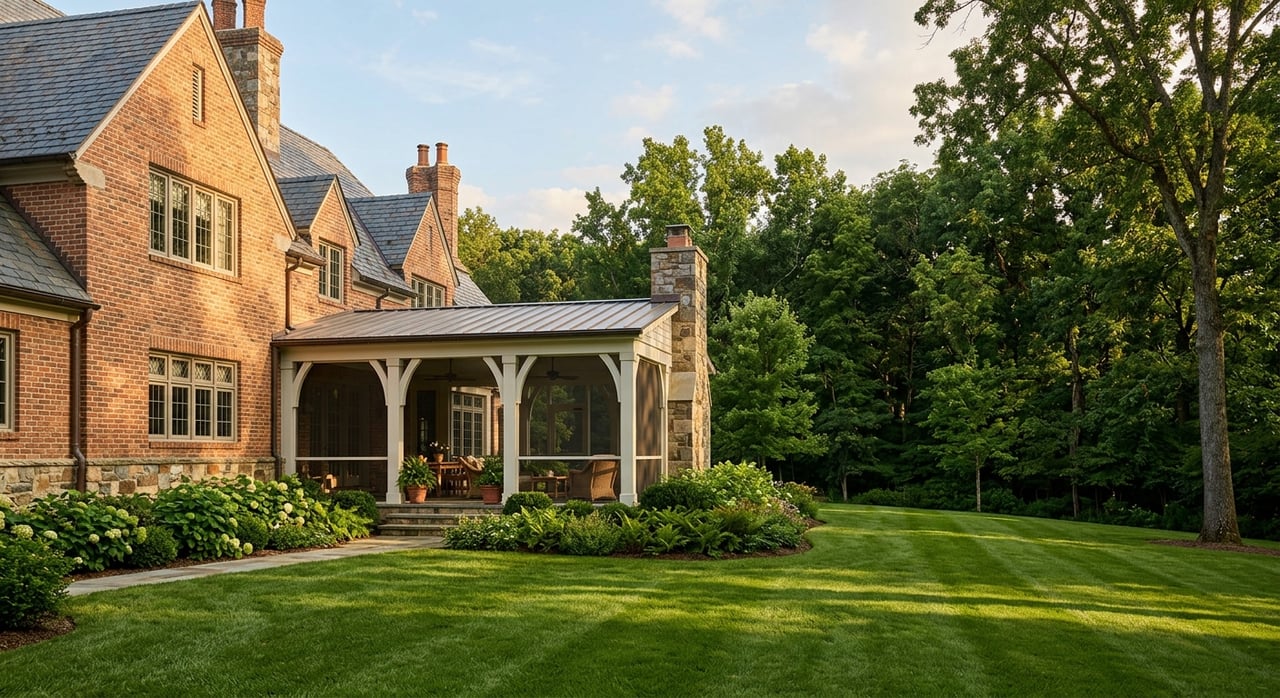
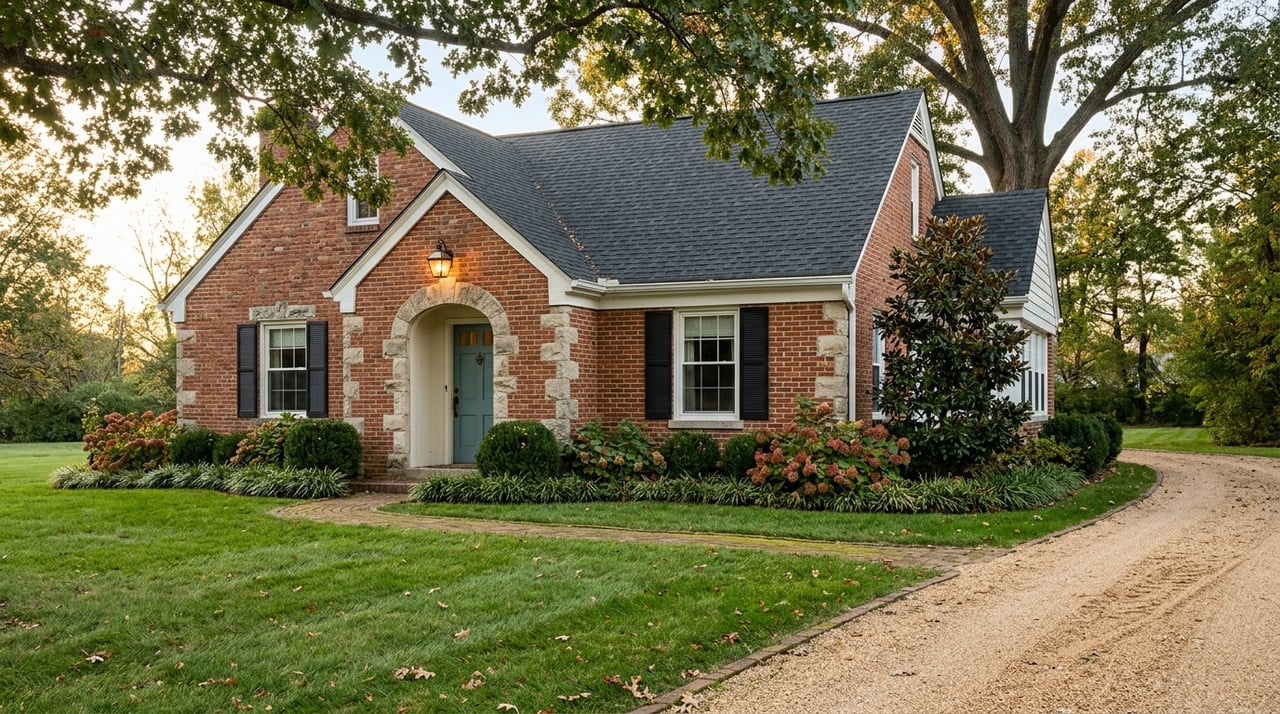
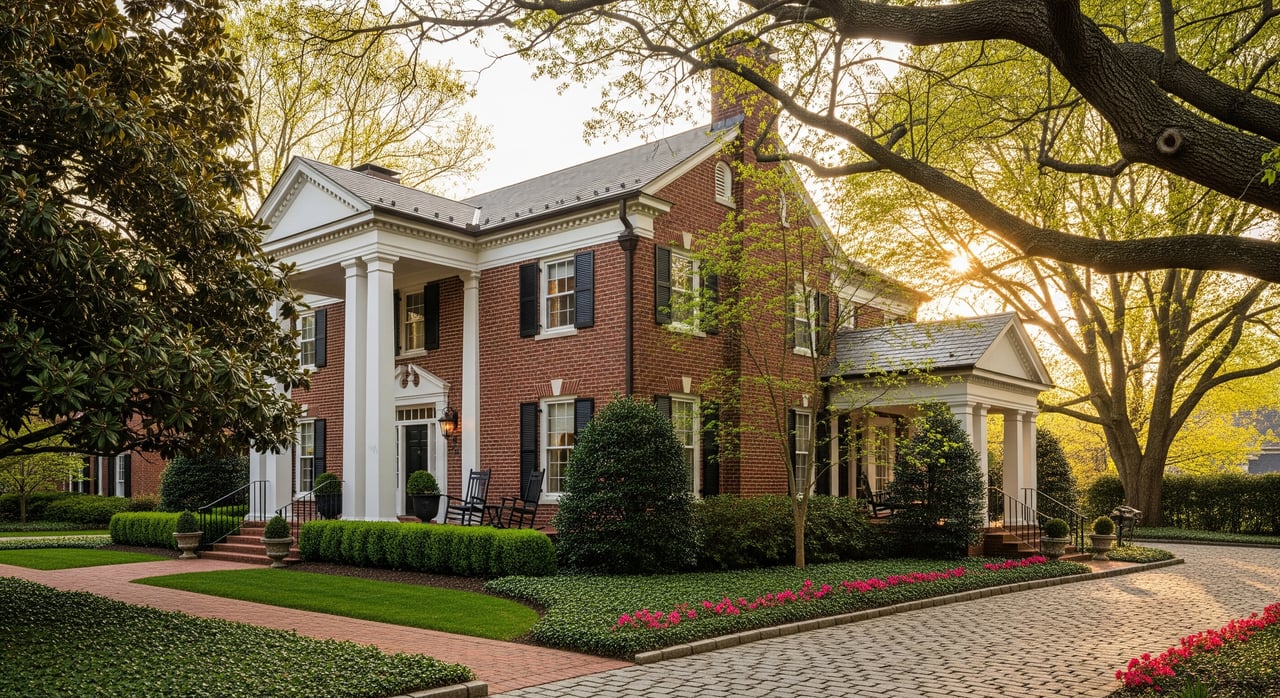
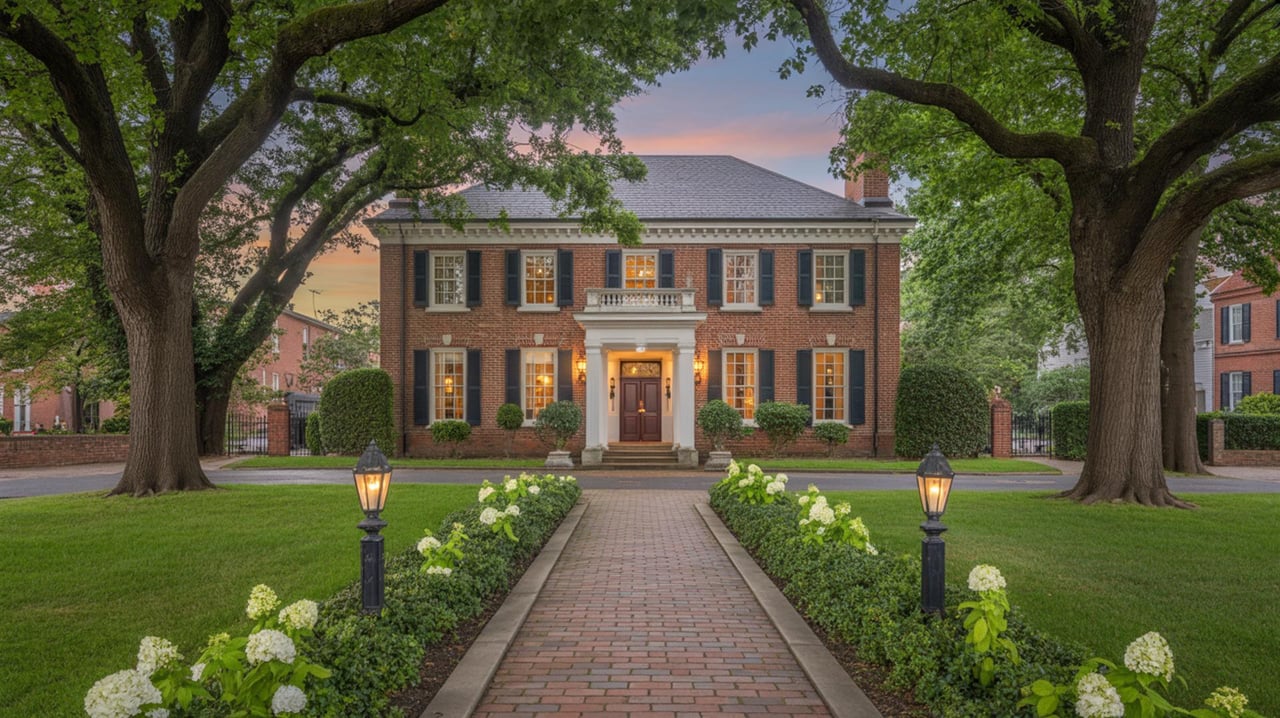
In nearby older residential areas, you can find several traditional home styles identified in the town’s survey materials. These include Queen Anne or Victorian, Colonial Revival, American Foursquare, Craftsman bungalow, Gabled Ell, and Tudor Revival or English Cottage. If you are drawn to older architecture, this part of Collierville offers some of the town’s most recognizable character.
These homes often feel distinct because of their proportions and siting. Many are horizontally oriented or more square in form, and porches or porticos help keep the streetscape approachable and human-scale. That creates a different visual rhythm than what you may find in newer subdivisions.
Older lots also tend to have their own personality. According to the town’s survey materials, older houses are often set back toward the middle or rear of the lot and are surrounded by mature trees and landscaping. Lot and house sizes can also vary by block, so you may see more variety from one street to the next.
Newer neighborhoods and suburban home patterns
If your mental picture of Collierville is a classic suburban single-family neighborhood, that is grounded in the data. As of December 31, 2024, the town’s housing was 78.4% single-family detached. Stand-alone apartments accounted for 13.9%, while triplex, quadplex, and townhouse housing made up 2.6%, and duplexes 0.4%.
The town’s long-range planning materials say Collierville is intended to remain predominantly single-family, while still allowing some senior housing, townhouses, and condos. For buyers, that means detached homes are likely to remain the dominant housing choice in much of the market. For sellers, it also helps explain why single-family homes play such a central role in local demand.
Subdivision regulations reinforce a more orderly neighborhood layout. Lots on the same street should generally have similar area, each lot should front on a public or approved private street, and smaller-frontage single-family lots generally should not take direct access from arterial or larger streets. Those kinds of rules may sound technical, but in practice they help shape the consistent feel many buyers notice in newer neighborhoods.
Recent permit activity also shows that new housing remains part of the picture. In 2025, the town issued 98 permits for new single-family detached homes, and the 2026 outlook included additional apartments and condos in areas such as Morrison Village, Water Tower District Phase 2, and Mt. Pleasant Road condos. So while Collierville is known for established neighborhoods, it is still evolving.
How newer homes reflect local character
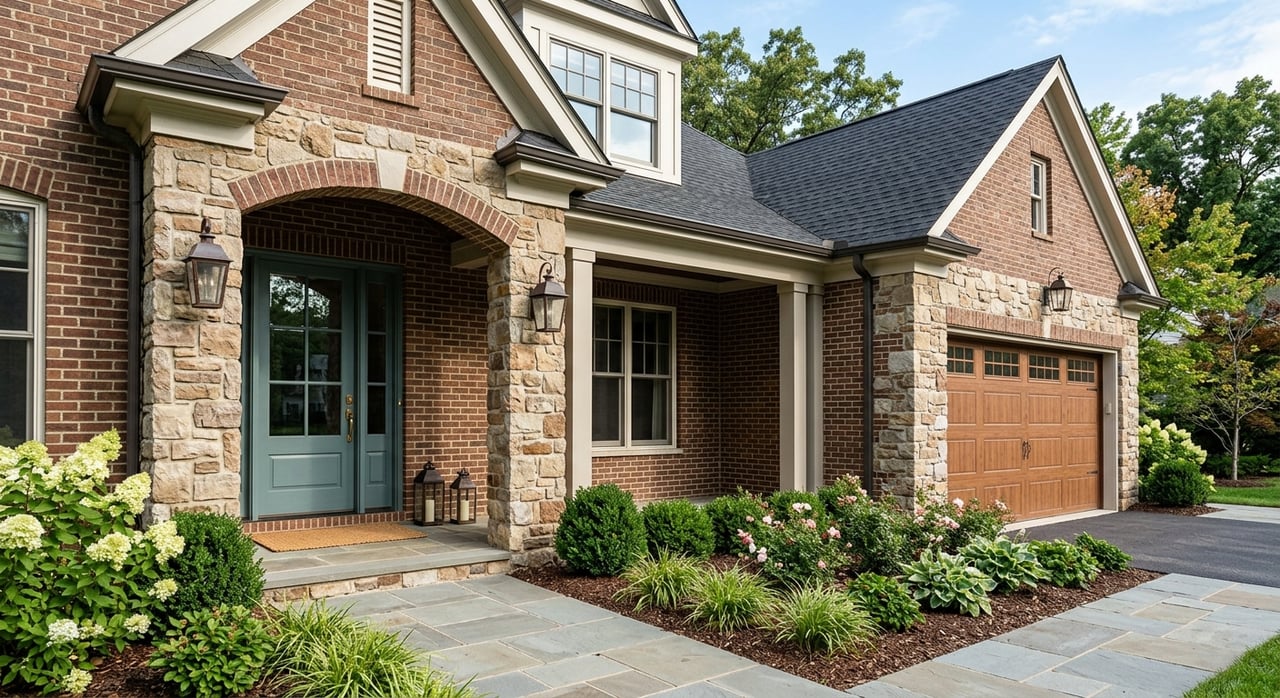
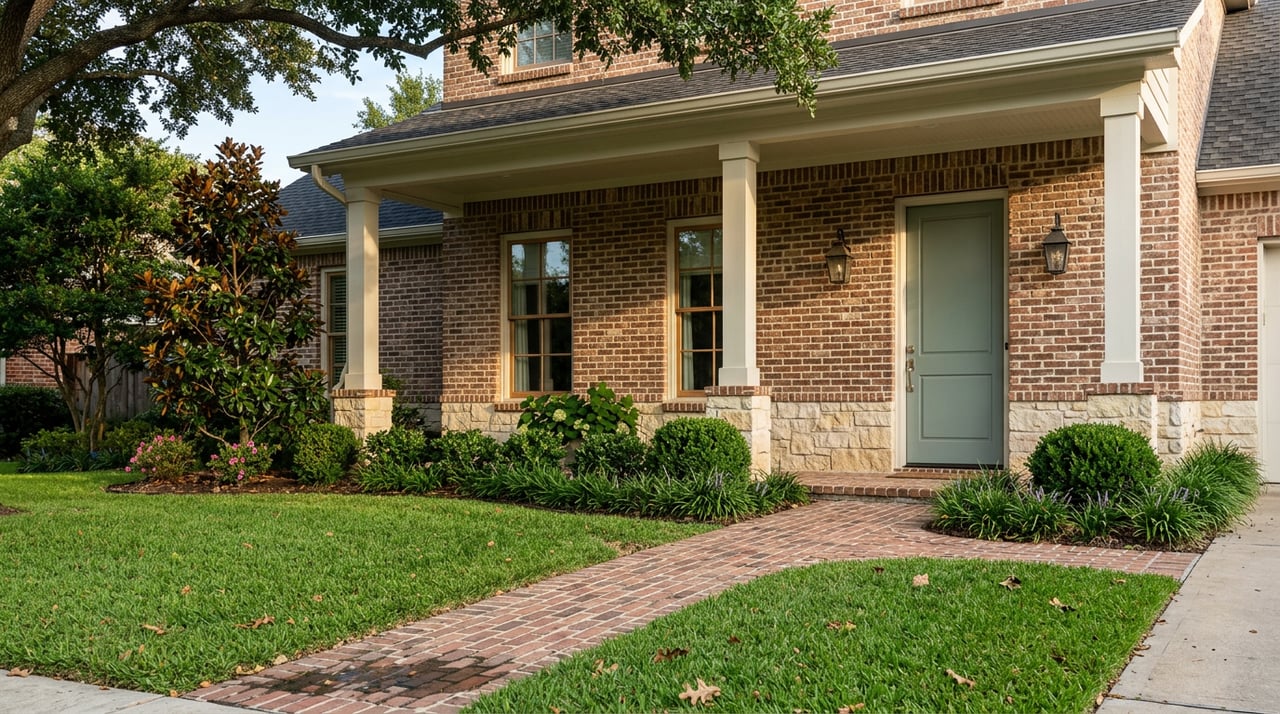
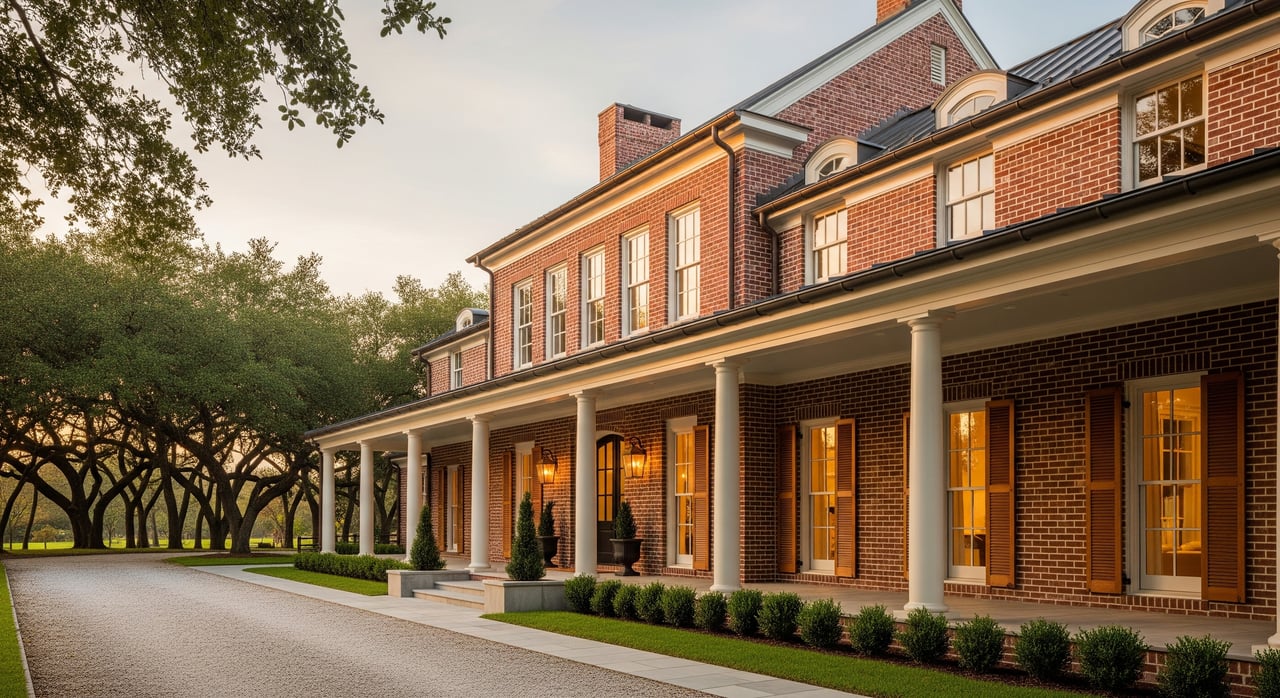
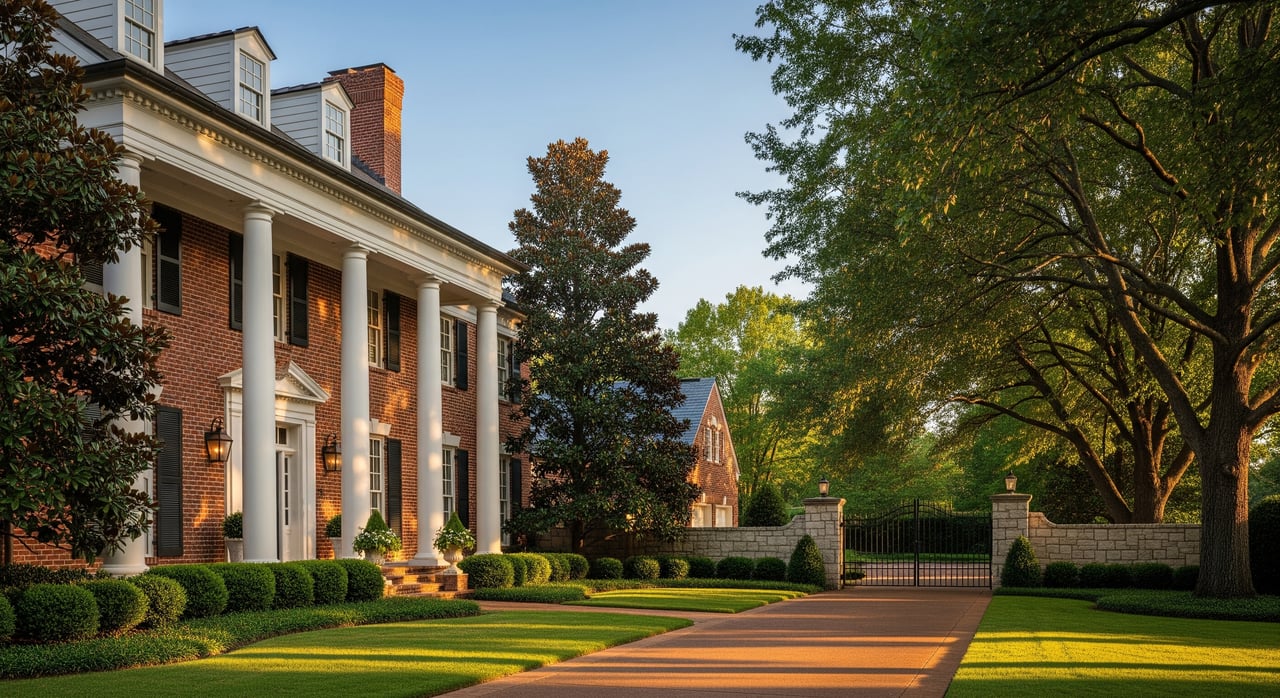
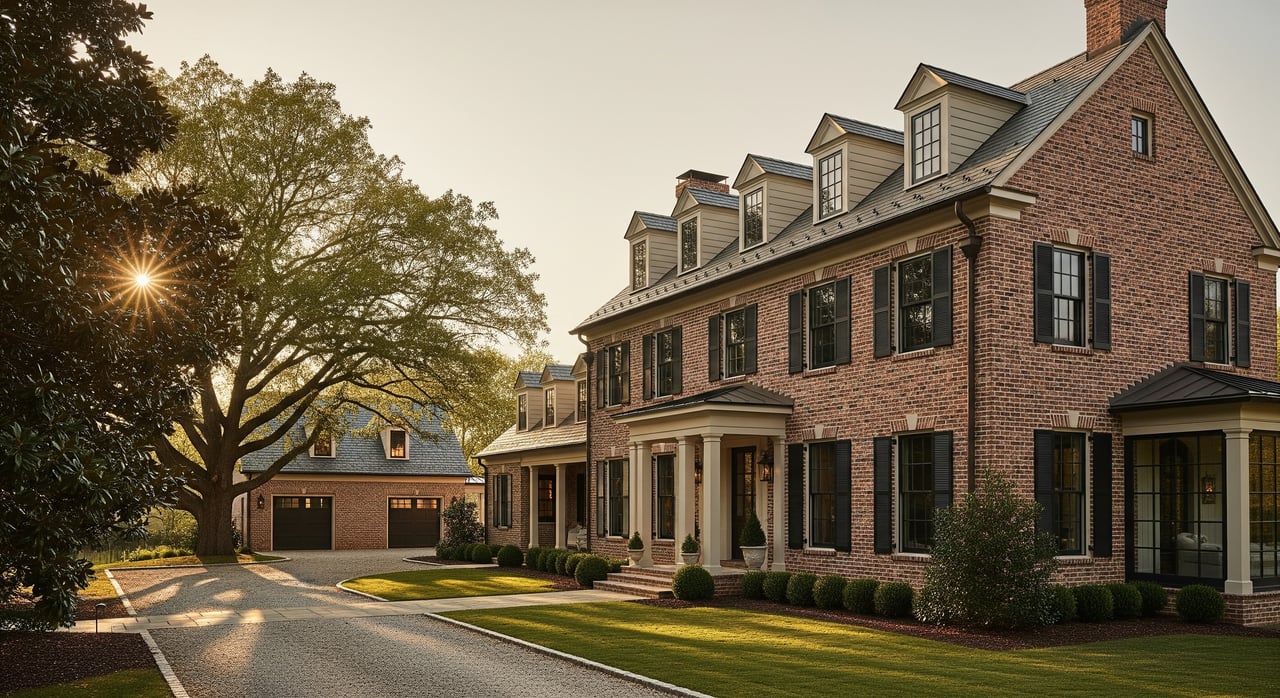
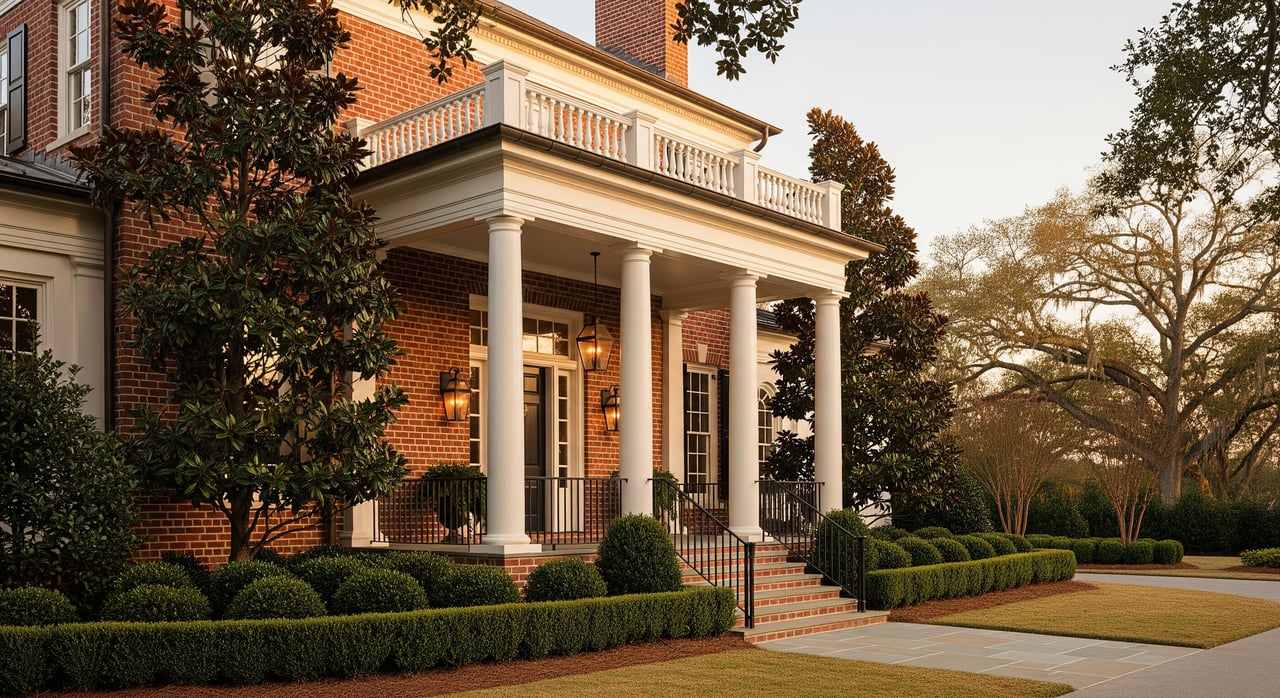
New construction in Collierville is not meant to feel disconnected from the town around it. The town’s design guidelines encourage new homes to draw from traditional local cues through scale, porches, materials, and forms associated with Colonial Classical, Southern Vernacular, Craftsman, and Victorian references. In other words, newer homes are often expected to feel compatible with Collierville’s broader identity.
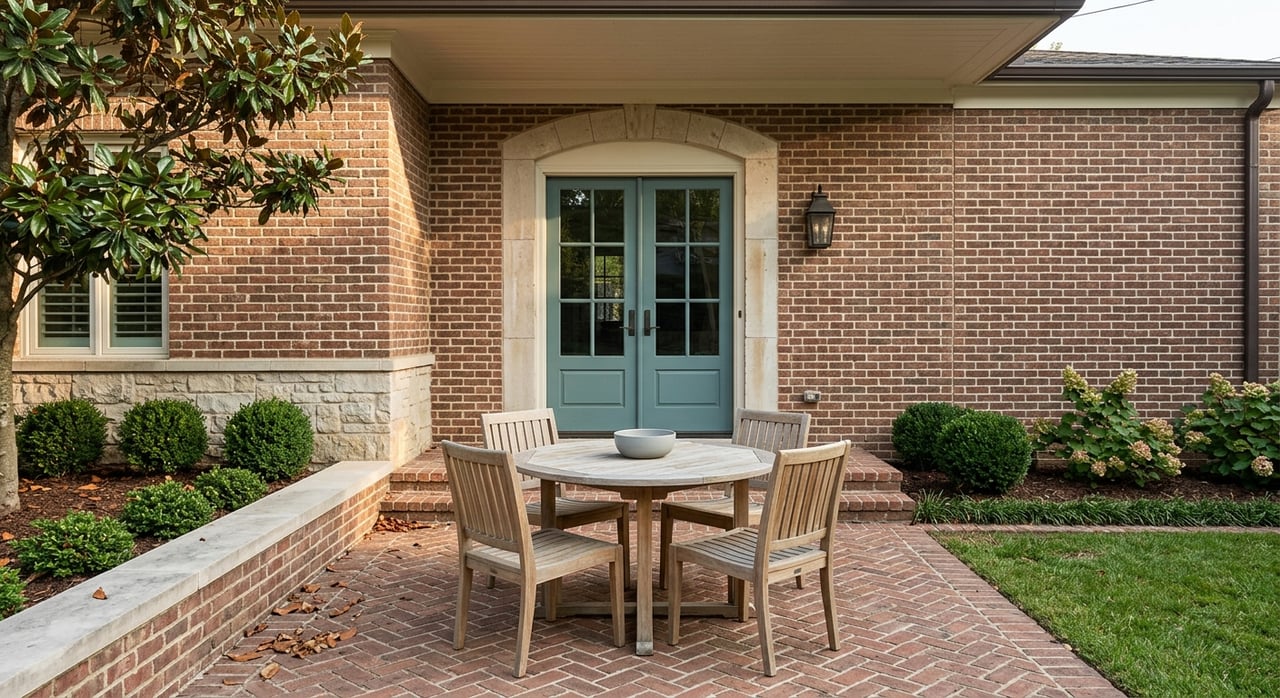
That does not mean every home looks historic. It means many homes borrow from traditional design elements rather than leaning toward a sharply contrasting look. If you appreciate brick exteriors, classic forms, and homes that feel rooted in place, that planning approach may be one reason Collierville stands out.
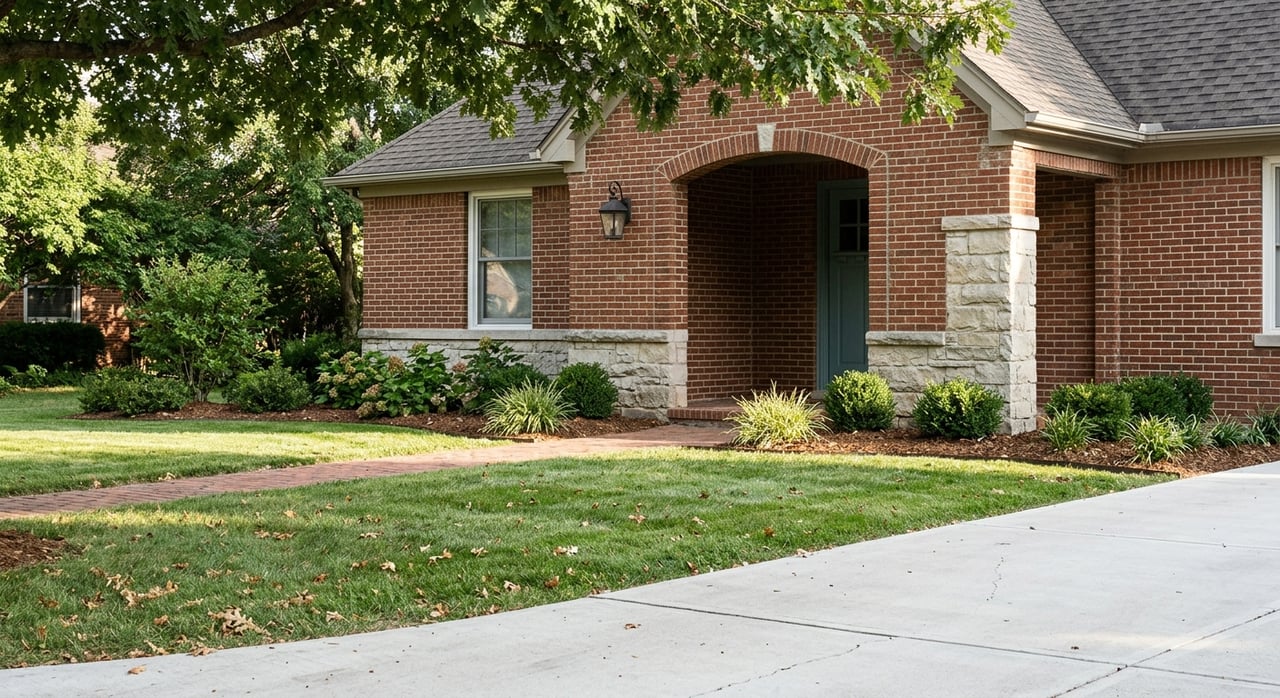
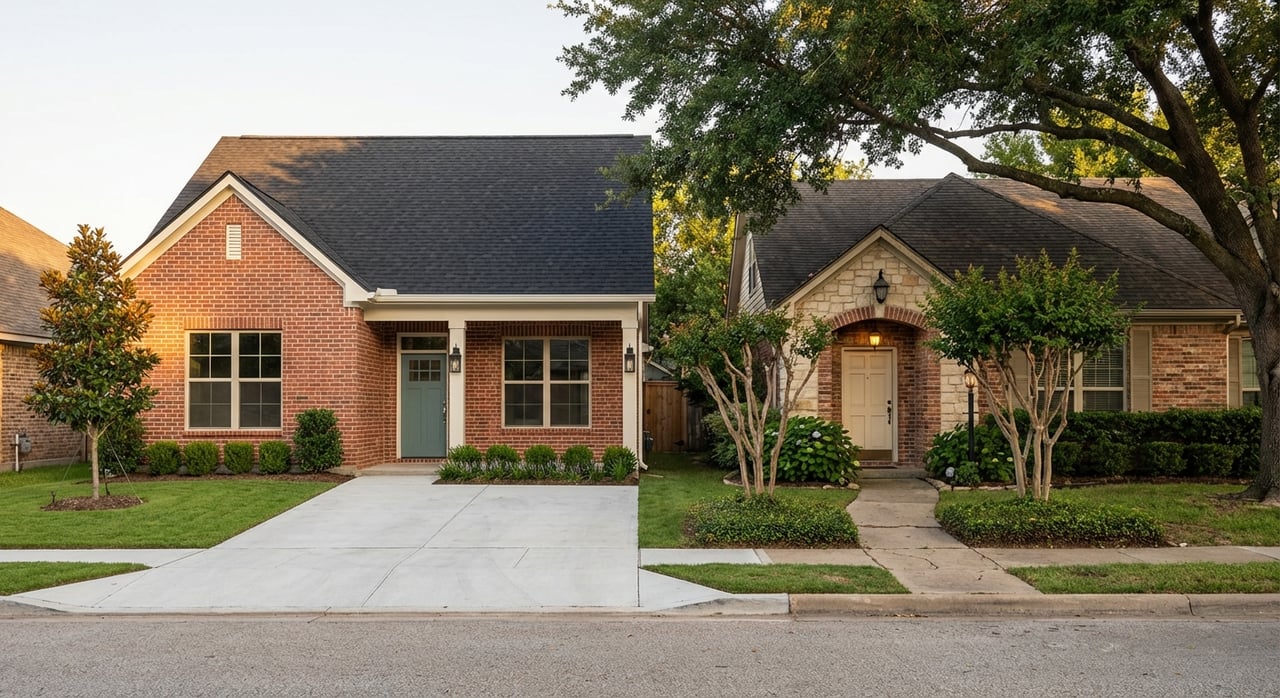
Inside the historic district, infill and newer construction can also look different from what buyers expect. The town notes that some newer homes in those areas are smaller brick houses in cul-de-sac settings with tighter spacing and less setback. That helps explain why some pockets near downtown feel denser and more compact than outer subdivisions.
Amenities that shape daily routines
Home style is only part of the story. In Collierville, everyday life is also shaped by the places you can actually use during the week. That includes trails, civic spaces, and community amenities that make it easier to settle into a routine.
Greenbelt access and connectivity
One of the town’s most visible lifestyle features is the Collierville Greenbelt System. It provides 18.58 miles of walking and exercise opportunities and is designed to connect neighborhoods, parks, schools, and commercial areas through alternative transportation routes. For many buyers, that kind of connectivity adds value to daily life in a very practical way.
If you like the idea of walking, exercising, or moving through town without always getting in the car, the Greenbelt is worth paying attention to. It also gives different parts of Collierville a stronger sense of connection. That can influence how a neighborhood feels beyond the lot lines of a single property.
Town Square and local gathering spaces
Collierville Town Square still functions as a small downtown gathering place. The town highlights boutiques, specialty shops, eateries, the museum, and Town Square Park amenities such as parking, a pavilion, and restrooms. That creates a civic center that is useful, not just scenic.
For buyers who want suburban living without giving up a recognizable town center, this is one of Collierville’s defining features. The square adds a sense of place that many suburban communities work hard to create. Here, it is already part of the town’s identity.
Library, museum, and public resources
The Lucius E. & Elsie C. Burch, Jr. Library is located at 501 Poplar View Parkway and is open seven days a week, with evening hours on weekdays. The Morton Museum of Collierville History offers free admission, is open Tuesday through Saturday, and features permanent and temporary exhibitions focused on local history. These are the kinds of amenities that support daily life in a steady, low-key way.
Collierville Schools also serves the town with multiple elementary schools, two middle schools, and Collierville High School. For many households, understanding school locations is simply part of understanding how daily routines may work. As you compare neighborhoods, it can help to think about commute patterns, Greenbelt access, and civic amenities together rather than as separate features.
What this means for buyers
If you are buying in Collierville, the biggest takeaway is that you are not looking at one uniform town. You are choosing between different living patterns, streetscapes, and housing styles that can feel very different in person. A charming older home near the historic core and a newer single-family home in a suburban subdivision may both be “Collierville,” but they support different day-to-day experiences.
It also helps to keep local housing context in mind. With a median owner-occupied home value of $485,900 and a median household income of $138,598, Collierville sits in a market where preparation matters. Knowing your priorities before you tour homes can help you act with more confidence.
A few questions can help you focus your search:
- Do you want historic character or a more uniform suburban layout?
- Do you prefer mature trees and varied lot patterns or newer construction and neighborhood consistency?
- How important is Greenbelt access to your routine?
- Do you want to be closer to Town Square activity or farther into a residential subdivision?
- Are you looking for a detached single-family home, or are you also open to condos or townhome options as more inventory comes online?
What this means for sellers
If you are selling a home in Collierville, your property’s setting is part of the story. Buyers are not only comparing square footage and finishes. They are also comparing lifestyle, neighborhood pattern, access to amenities, and how the home fits the character of its part of town.
That is especially important in a market like Collierville, where historic homes, established subdivisions, and newer construction can all appeal to different buyers. A strong listing strategy should highlight what makes your home feel specific to its location. In some cases, that may be mature landscaping and architectural detail. In others, it may be layout efficiency, neighborhood consistency, or proximity to Greenbelt connections and Town Square amenities.
This is where thoughtful pricing, presentation, and local positioning matter. When your marketing reflects how buyers actually shop for Collierville homes, it becomes easier to stand out for the right reasons.
Whether you are buying your first home in Collierville, moving up within the area, or preparing to sell, local context can make a big difference in your next step. If you want help understanding which parts of Collierville best match your goals, or how to position your home in today’s market, connect with Rachel Goss for a personalized consultation.
FAQs
What kinds of homes are most common in Collierville, TN?
- As of December 31, 2024, about 78.4% of Collierville’s housing was single-family detached, making it the town’s most common housing type.
What is daily life like in Collierville, TN?
- Daily life in Collierville blends suburban convenience with a historic town center, plus amenities like the 18.58-mile Greenbelt System, Town Square, the public library, and the Morton Museum.
What home styles can you find near Collierville Town Square?
- Near the historic core, town survey materials identify styles such as Queen Anne or Victorian, Colonial Revival, American Foursquare, Craftsman bungalow, Gabled Ell, and Tudor Revival or English Cottage.
How is Collierville different from other Memphis suburbs?
- Collierville stands out for combining a preserved historic core with mostly detached single-family neighborhoods and a planning approach that aims to keep new development visually compatible with local character.
Is Collierville still building new homes?
- Yes. The town issued 98 permits for new single-family detached homes in 2025, and the 2026 outlook also included additional apartment and condo development in several areas.