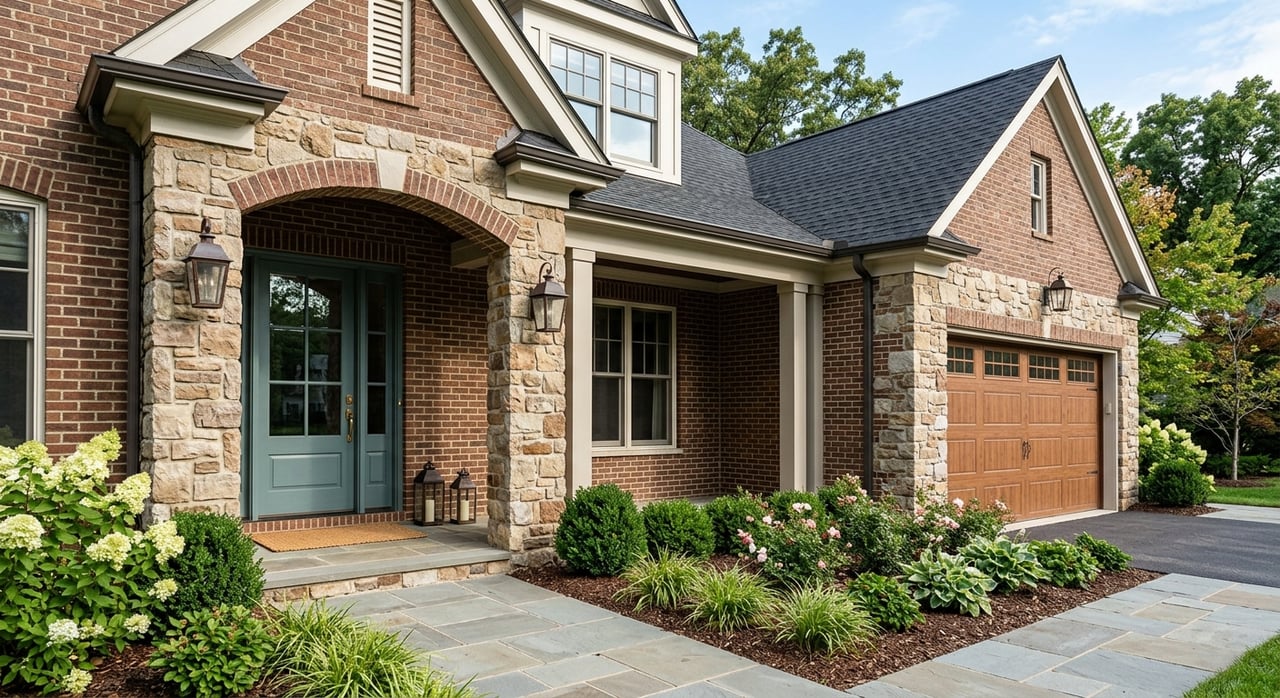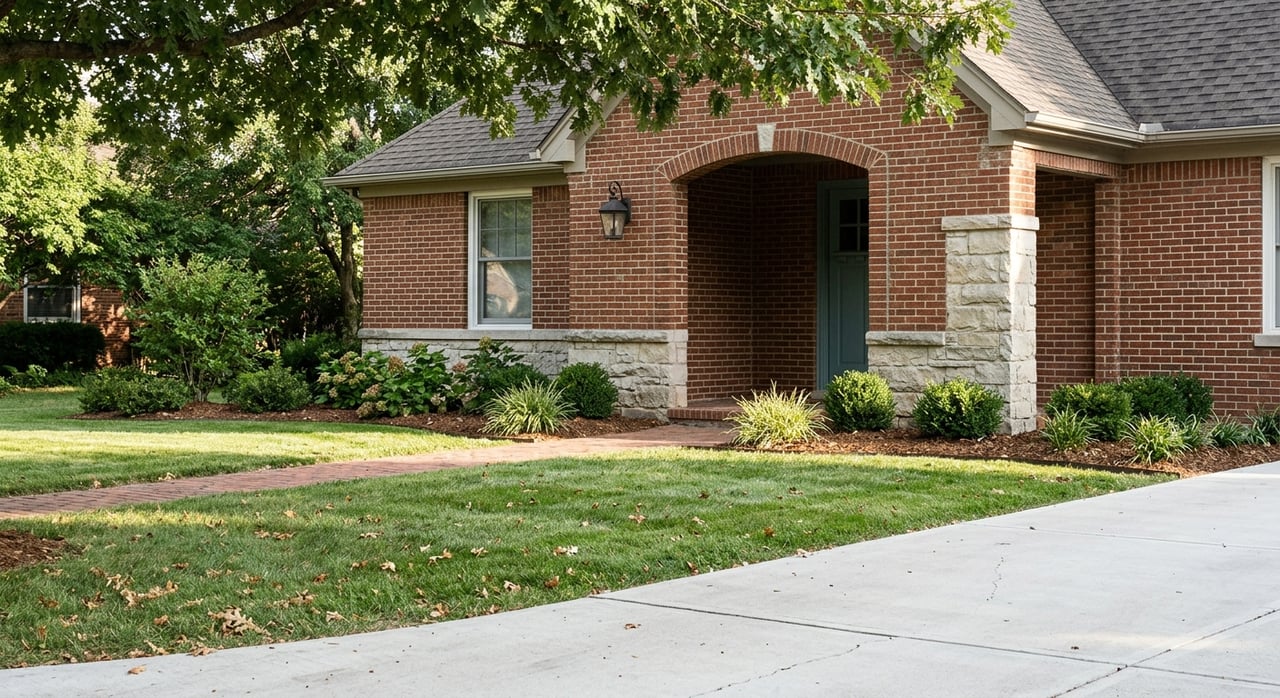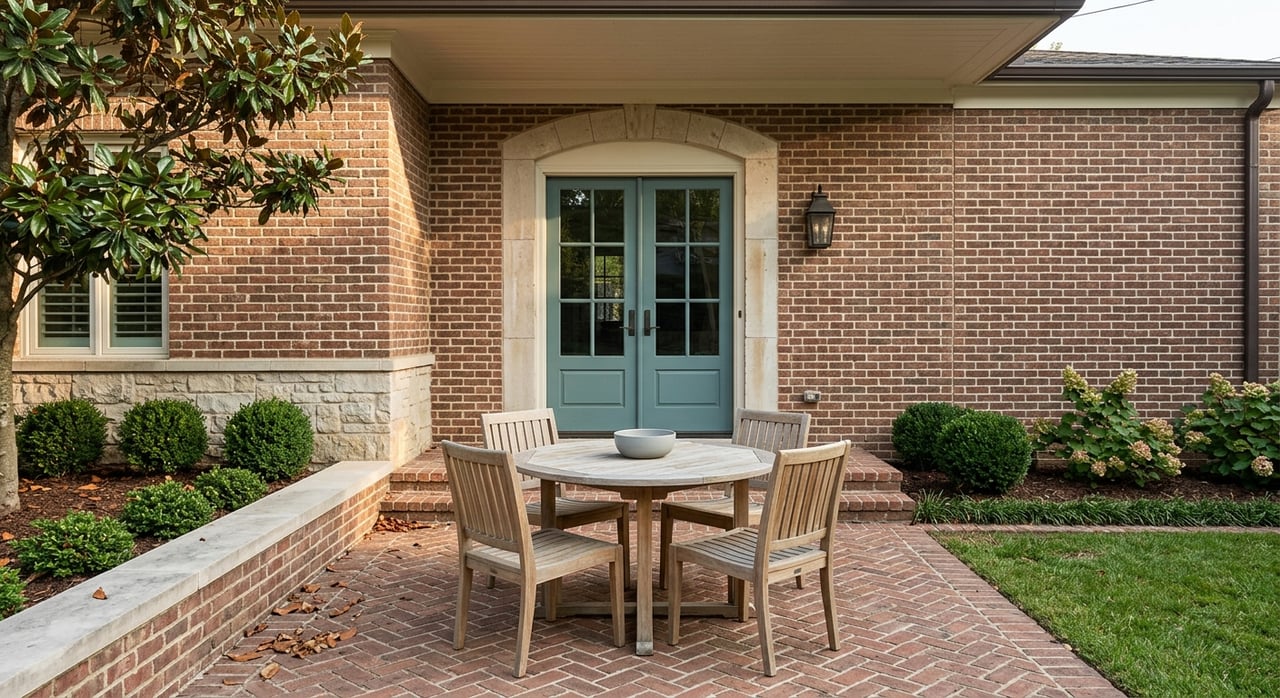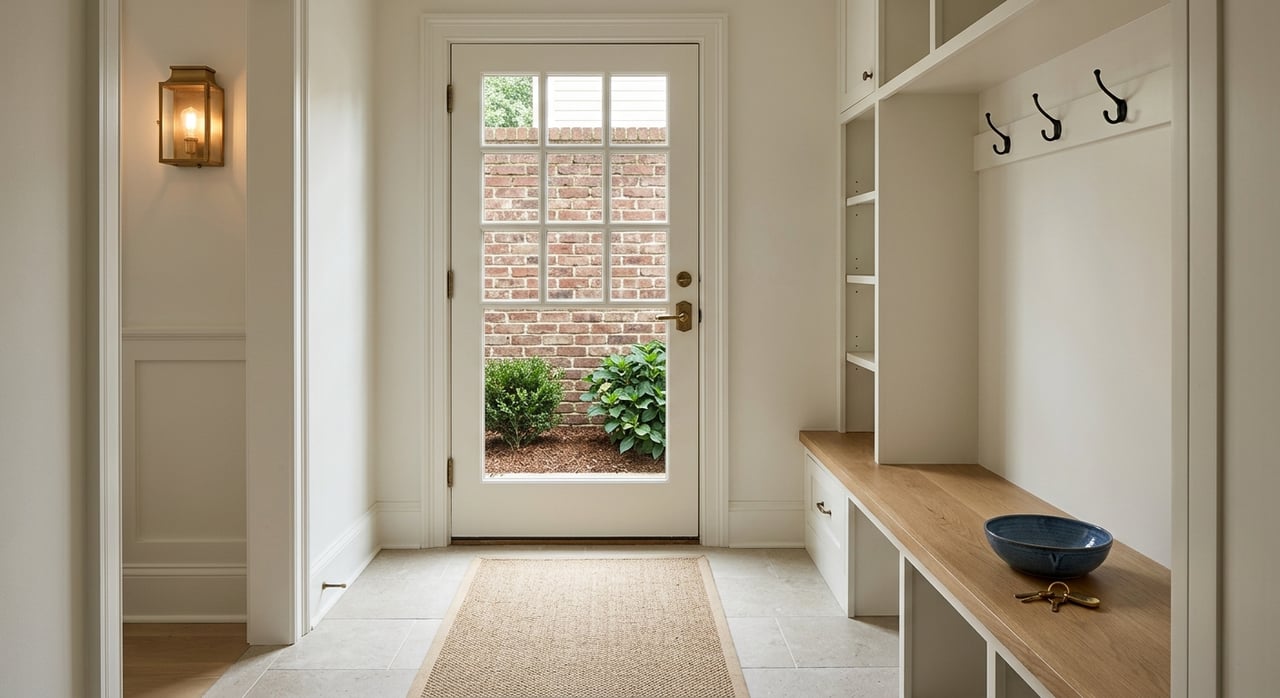
Are you dreaming about more space, more privacy, and a home that feels a little removed from the rush of suburbia? Buying acreage and estate homes in Eads, TN can offer exactly that, but these properties often come with a different set of questions than a typical neighborhood home. If you want to understand what to expect before you buy, this guide will walk you through the big picture and the details that matter most. Let’s dive in.
What Eads acreage homes are like
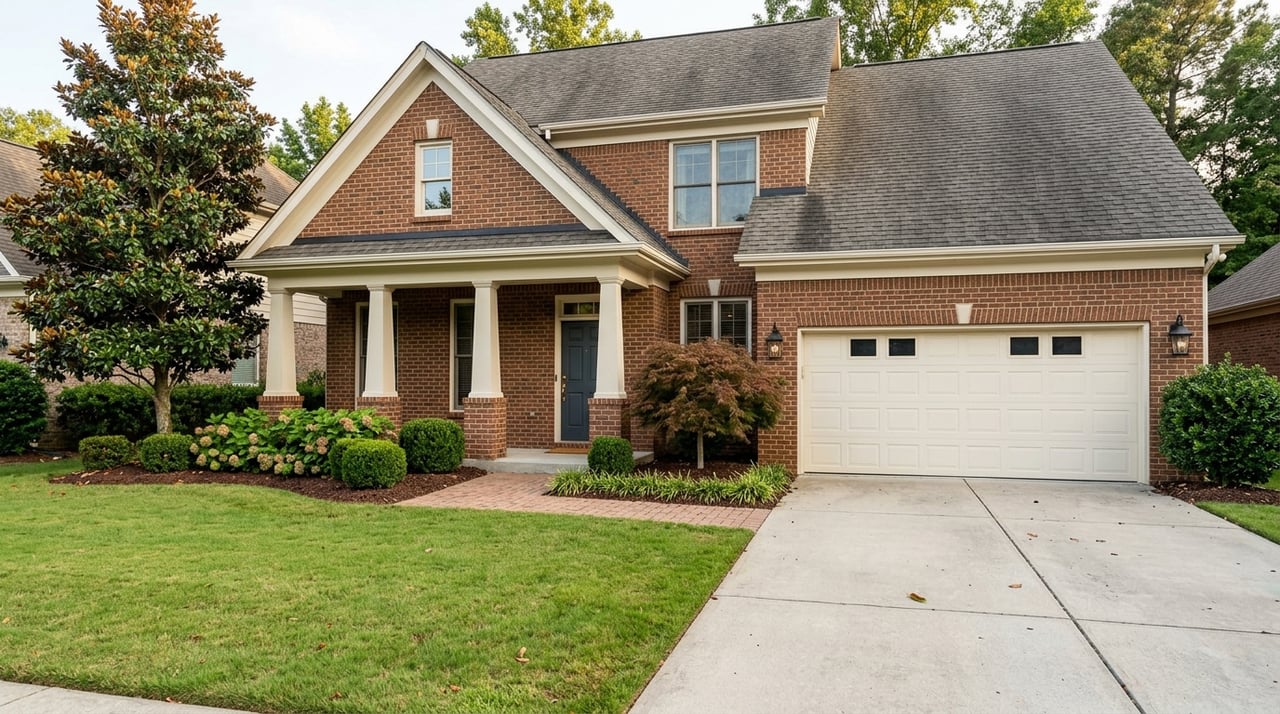
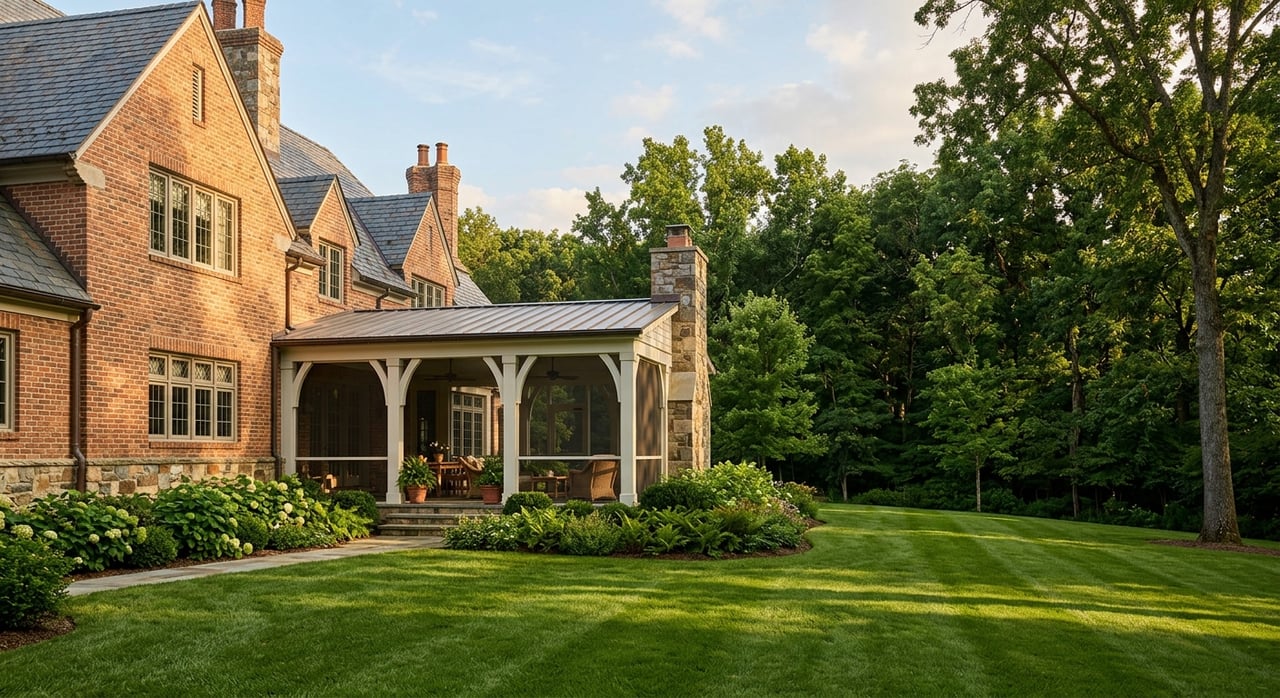
Eads is part of unincorporated east Shelby County, and county planning materials consistently describe the area as rural or estate-residential in character. That usually means large lots, mature trees, open land, and lower-density single-family homes rather than a more compact suburban layout.
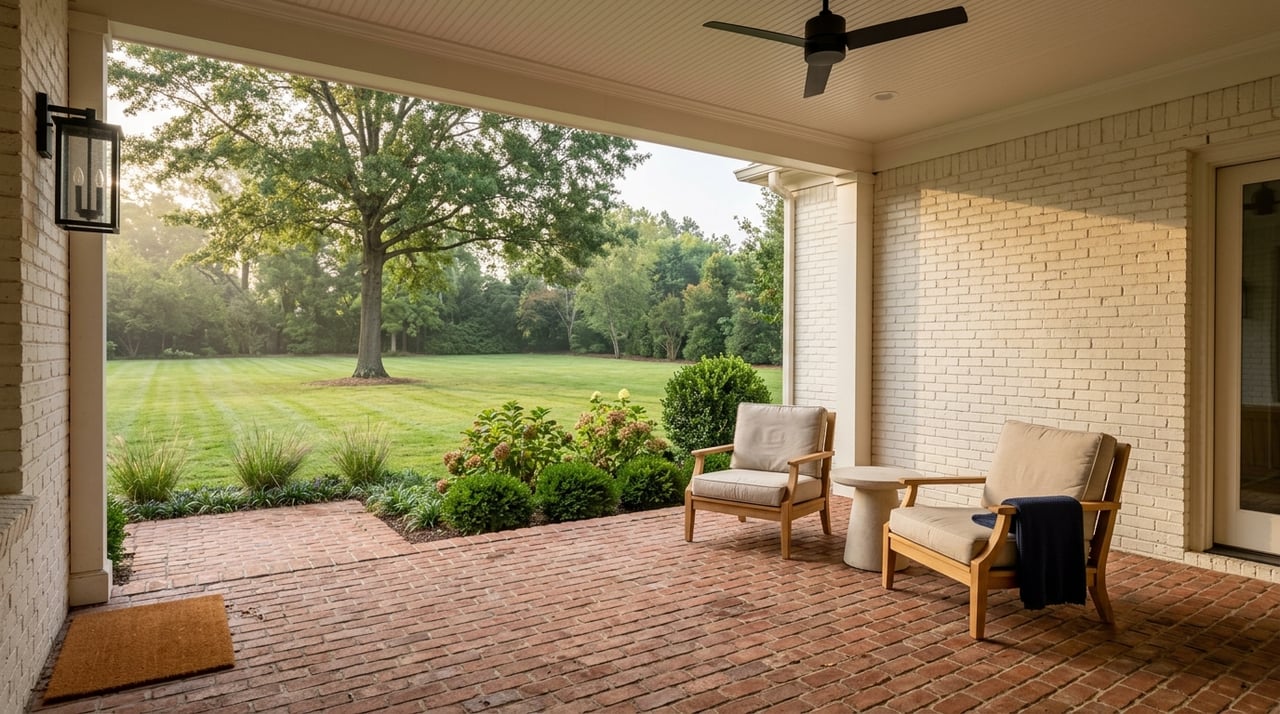
For many buyers, that makes Eads appealing if you want breathing room without giving up access to the greater Memphis area. It is also important to know that acreage in Eads is not always used as active farmland. In many cases, these properties function more like estate-style residential holdings with extra land, privacy, and flexibility.
County examples show that 2-acre lots are common in some Conservation Agriculture, or CA-zoned, estate-style subdivisions. At the same time, other tracts can be much larger, including parcels spanning dozens of acres. That means every property can feel very different, even within the same part of Eads.
Why parcel details matter in Eads
When you buy acreage, the home itself is only part of the decision. The land can shape everything from how you use the property to what it may cost to maintain over time.
In Eads, lot size, road frontage, tree cover, drainage, and utility setup can vary widely from one parcel to the next. A property may look ideal at first glance, but the day-to-day ownership experience often depends on factors that are not obvious in listing photos.
That is why it helps to evaluate these homes with both a lifestyle lens and a practical one. You want to picture how the property fits your goals, but you also want to verify how it functions.
Zoning can affect how you use the land
Because Eads is in unincorporated Shelby County, county ordinances and the Unified Development Code apply. The Board of Adjustment handles variance requests, which can come into play when a lot does not meet standard requirements or when usable acreage is reduced by issues like road dedication.
County materials describe the Conservation Agriculture district as a way to conserve agricultural land and undeveloped natural amenities. The Residential Estate district is intended for low-density single-family homes on large individual lots.
For you as a buyer, that means zoning is worth reviewing early. If you are considering future improvements, additional structures, or a particular use for the land, it is smart to confirm what is allowed before you close.
Utilities are not one-size-fits-all
One of the biggest differences between buying acreage in Eads and buying a typical suburban home is utility setup. MLGW states that it provides natural gas and electricity throughout Shelby County and water service in Memphis and unincorporated Shelby County, but that does not mean every property has the same utility arrangement.
Recent Eads planning documents show examples of subdivisions using public water along with approved individual treatment facilities. In plain terms, you should not assume a property has central sewer just because it has public water.
Some parcels may also involve a private well. If that is the case, the Tennessee Department of Health says the owner is responsible for protecting and testing the water supply.
Septic and well checks should happen early
If the property uses septic, Shelby County requires an application, plot plan, soil map, and permit before installation or repair work begins. The county also states that installation, modification, repair, or abandonment of a subsurface sewage disposal system requires an application.
That makes septic approval status a key part of your due diligence. You will want to understand whether the existing system is permitted, whether any repairs are needed, and whether the setup supports the property as you plan to use it.
If the property uses a private well, ongoing testing matters. Tennessee recommends that owners protect and test well water, and annual testing is recommended for total coliform bacteria, nitrates, total dissolved solids, and pH.
A smart Eads property checklist
Before you move forward on an acreage or estate home in Eads, make sure you verify the basics that can affect both value and livability.
- Water source: public water or private well
- Sewer setup: central sewer or septic
- Septic approval and permit status
- Driveway access and road frontage
- Easements that may affect use of the land
- Drainage patterns or low-lying areas
- Tree cover and maintenance needs
- Utility placement, including any overhead powerline conflicts
This kind of review can help you avoid surprises after closing. It also gives you a clearer picture of the true cost and responsibility that comes with the property.
Ownership often means more maintenance
Large parcels can be beautiful, but they also tend to require more hands-on care than a standard suburban lot. County reports on Eads properties mention features like mature trees, natural streams, and overhead powerlines along road frontage, all of which can affect maintenance and planning.
Depending on the property, you may need to budget for tree work, drainage improvements, fence upkeep, outbuilding maintenance, or a long driveway. None of that is necessarily a dealbreaker, but it is part of the ownership picture.
If the home has a private well, you also take on responsibility for water protection and testing. If it has septic, owner maintenance responsibilities continue after permit approval and inspection.
Financing acreage homes can be more specific
Many Eads acreage and estate homes can be financed with standard residential loan products, but larger parcels often get a closer look from lenders and appraisers. For conventional agency loans, Fannie Mae says the property must be residential in nature, suitable for year-round use, accessible by roads that meet local standards, and served by utilities that meet community standards.
Freddie Mac also notes that mortgages are not automatically limited by acreage, but larger parcels in areas where farms or ranches are common may need added analysis to confirm the property is still residential and acceptable collateral. In practical terms, that can mean more questions about land use, access, utilities, and comparable sales.
This does not mean financing is off the table. It simply means the process can be more parcel-specific than it would be for a standard subdivision home.
USDA loans may be worth exploring
For some buyers, a USDA loan may be worth checking. USDA states that eligible homes must be in an eligible rural area, and there are no set acreage limits as long as the acreage is common for the area.
USDA also notes that its guaranteed loan program is not limited to first-time buyers. Depending on eligibility, the program may finance certain closing costs, repairs, utility connection fees, and site preparation costs.
Because program fit depends on both the borrower and the property, this is a conversation to have early with your lender. It can be a useful option for buyers looking at rural-residential property in places like Eads.
Questions to ask before making an offer
Acreage purchases tend to reward buyers who ask good questions upfront. Before you write an offer, it helps to narrow down how the parcel works in real life.
Consider asking:
- Is the property served by public water, a private well, or both?
- Is there central sewer, or does the property use septic?
- Are septic permits and approvals available for review?
- Are there easements, access issues, or frontage limitations?
- How much of the land is usable as-is?
- Are there drainage concerns, streams, or flood-prone areas to review?
- Do utility lines affect driveway placement, tree preservation, or future improvements?
- Will the lender likely need additional documentation because of acreage or utility setup?
The right answers can help you move forward with confidence. They can also help you compare one Eads property against another in a more practical way.
Why local guidance matters
Buying acreage and estate homes in Eads is rarely as simple as comparing square footage and finishes. The value of the purchase often comes down to land characteristics, utility details, zoning context, and how well the property matches your long-term plans.
That is where strong local guidance can make a real difference. When you have someone helping you look beyond the surface, it becomes easier to spot both the opportunities and the questions that deserve a closer look.
If you are considering acreage or estate-style living in Eads, working with a local agent who understands the Greater Memphis suburbs can help you move through the process with more clarity. When you are ready to talk through your goals, connect with Rachel Goss for a personalized consultation.
FAQs
How much acreage is typical for estate homes in Eads, TN?
- County examples show that many estate-style lots in Eads are around 2 acres, though some properties are much larger and may include dozens of acres.
Is central sewer available for acreage homes in Eads, TN?
- Not always. Recent Eads planning documents reference public water with approved individual treatment facilities, so you should verify sewer service for each property rather than assume it is available.
Can you finance an acreage home in Eads, TN with a conventional loan?
- Often yes, as long as the property is residential in nature and meets lender requirements for access, utilities, condition, and collateral value.
What should you check on a property with a well in Eads, TN?
- If a property uses a private well, Tennessee says the owner is responsible for protecting and testing the water supply, and annual testing is recommended for key water quality measures.
What should you verify on a septic property in Eads, TN?
- You should verify septic approval status, permits, and any repair or modification requirements, since Shelby County requires applications and permitting for septic installation, repair, modification, or abandonment.