Wondering whether Oakland, TN gives you the right mix of space, convenience, and everyday comfort? If you are comparing outer-ring Memphis suburbs, that is a smart question to ask before you tour homes or make a move. Oakland has been growing quickly, but it is also trying to hold onto its small-town feel, and that balance matters when you are choosing where to live. Here’s what to know so you can decide whether Oakland fits your lifestyle, budget, and long-term goals.
Oakland at a glance
Oakland is a growing town in Fayette County that continues to attract buyers looking for a suburban setting with access to the Memphis area. Census estimates place the population at 10,835 as of July 1, 2025, which is up 20.6% from the 2020 census count of 8,936. That kind of growth tells you Oakland is on many buyers’ radar.
At the same time, local planning documents show that town leaders are not simply chasing growth for growth’s sake. Oakland’s planning and design standards focus on protecting community character, supporting attractive development, and helping preserve property values. For buyers, that can be a meaningful sign that the town is thinking carefully about how new development fits into the bigger picture.
Why buyers consider Oakland
For many buyers, Oakland stands out because it offers a small-town pace with suburban housing choices. The town’s growth has been shaped by the US-64 and Stage Road corridor, along with State Routes 194 and 196, making it part of the broader Memphis-area orbit while still feeling distinct from busier suburban centers.
If you want more room and a neighborhood-oriented setting without moving too far from the metro, Oakland can be a strong contender. Town planning materials describe US 64 as the major travel route to and from the Memphis metropolitan area and Interstate 40, which helps explain why Oakland often appeals to commuters and relocators.
What the housing market looks like
Oakland’s current pricing sits in the mid-$300,000s, which puts it below Tennessee’s statewide median sale price. Redfin reports a median sale price of $351,285 for the three months ending May 2026, while Zillow shows an average home value of $357,035 as of June 30, 2026. These numbers measure different things, so they are best used as general market context rather than direct one-to-one comparisons.
That said, the broader takeaway is helpful. Oakland is not a bargain market, but it may look comparatively more accessible than some higher-priced suburban options while still offering single-family housing in a growing area.
Here is a quick snapshot of the market context:
| Market indicator | Oakland, TN |
|---|---|
| Estimated population, 2025 | 10,835 |
| Population growth since 2020 | 20.6% |
| Median sale price | $351,285 |
| Average home value | $357,035 |
| Average days on market | 62 days |
| Homes for sale | 94 |
| New listings | 27 |
What kinds of homes you may find
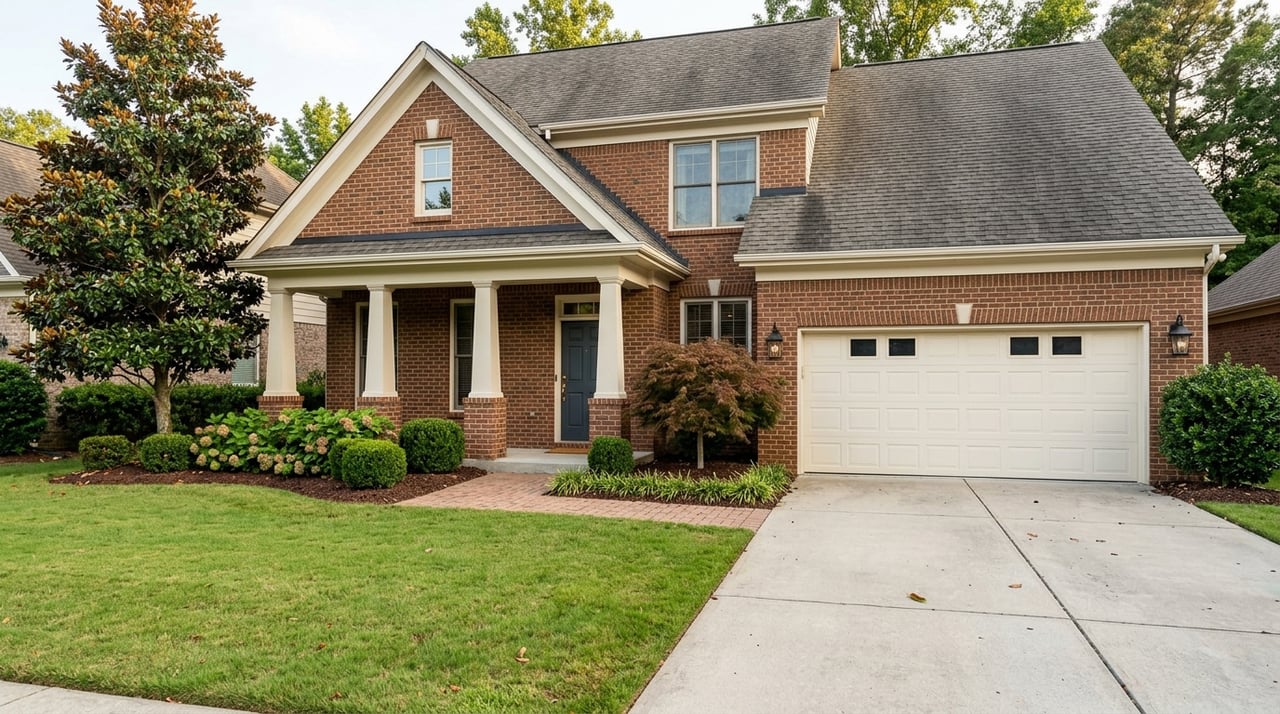
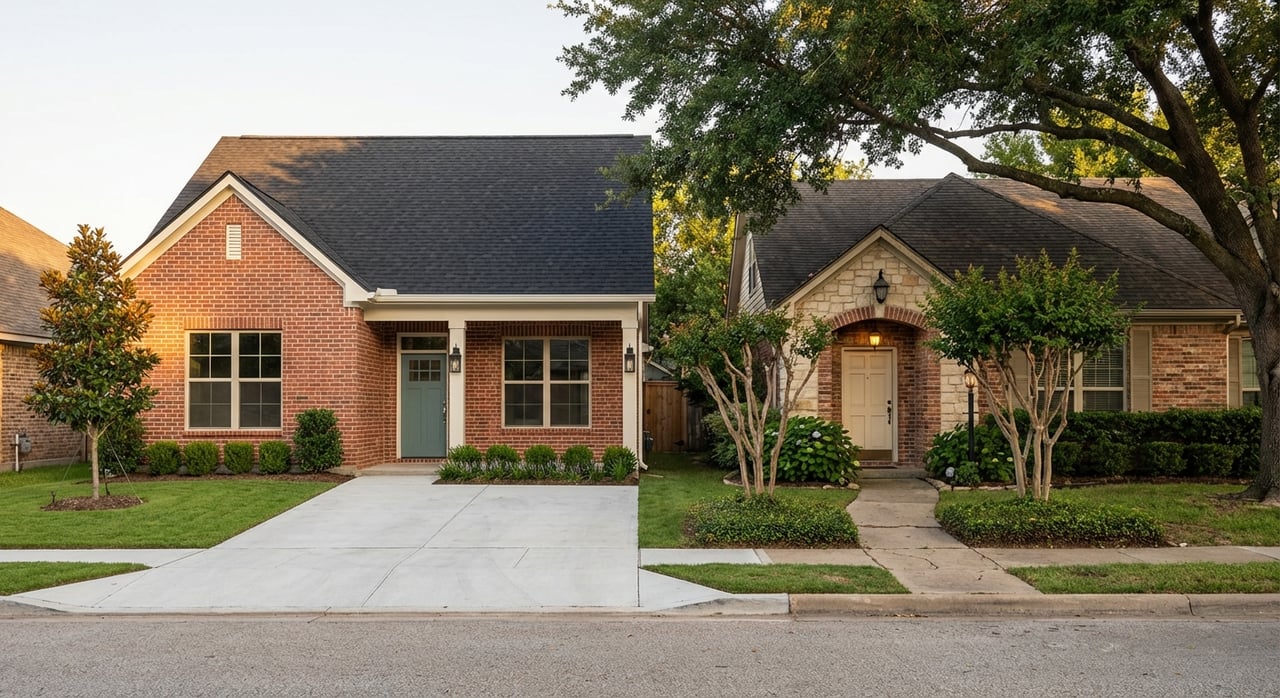
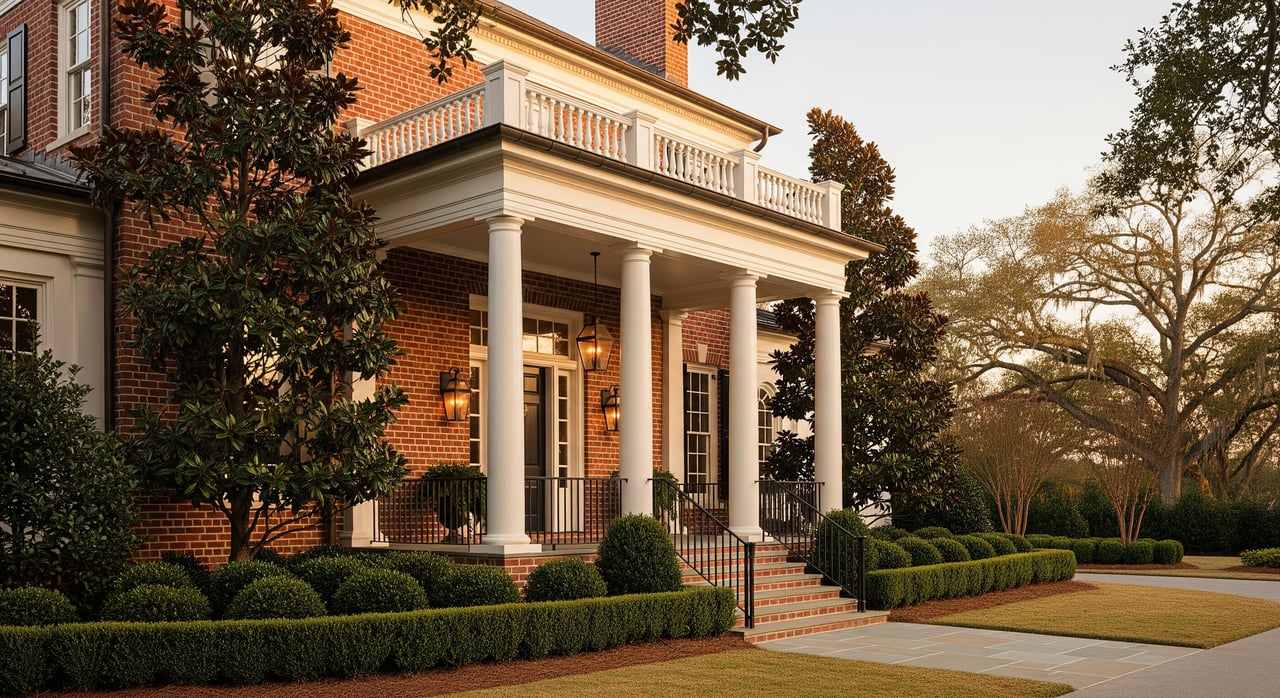
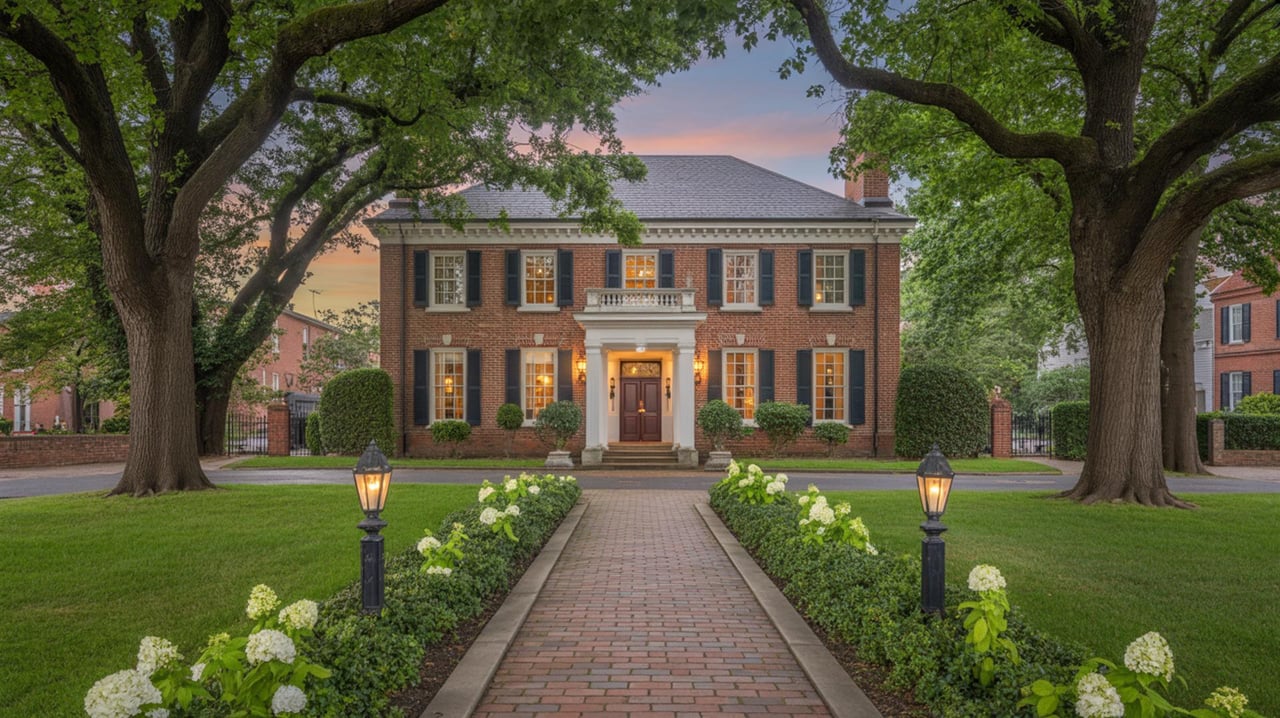
Oakland’s development story helps explain its housing mix. Town planning documents note that older development patterns included a more rural blend of smaller and larger lots, while the 1990s, 2000s, and 2010s brought more subdivision-driven growth.
In practical terms, that means you may find both newer subdivision living and larger-lot properties in the same town. If you are trying to choose between a more established setting and a newer neighborhood feel, Oakland gives you some range.
Local planning activity also points to continued development. The town’s Planning, Building, and Code Enforcement departments oversee residential, commercial, and industrial land, and town materials note oversight of more than 20 subdivisions. Recent planning agendas have included subdivision plats and phased planned developments, which supports the idea that Oakland is still adding housing options.
Everyday life in Oakland
A location can look great on paper but still feel wrong once daily life sets in. Oakland’s appeal is less about a fast-paced urban routine and more about a practical, community-oriented rhythm.
The town’s parks are a major part of that. Cypress Creek Park includes baseball, seasonal soccer space, picnic areas, restrooms, a playground, and concessions. Other local options include The Oaklands, Oakland Woods, and Northwoods, each with walking trails around stocked ponds.
If you enjoy having simple outdoor spaces close to home, that can add a lot to everyday living. Oakland’s Parks, Recreation, and Cultural Arts department says it was established in 2002 to strengthen the community and expand recreation opportunities as the town grows, which reinforces the role parks play in local life.
Community feel and local events
Oakland also has a community calendar that leans more local than urban. The Oakland TN Regional Chamber highlights annual events such as Spring Fest and Oakland in October, giving residents recurring civic events that help shape the town’s identity.
That does not mean every buyer will want the same thing from a community. But if you are looking for a place that feels organized around neighborhood life, local events, and municipal services rather than nightlife or dense mixed-use living, Oakland may feel like a better fit.
The town also offers a solid municipal-service structure for its size, including police, fire and rescue, public works, utilities, planning and code enforcement, and parks and recreation. That can matter when you are evaluating how established a growing town really is.
The biggest tradeoff to consider
No town is a perfect fit for everyone, and Oakland comes with a clear tradeoff. The daily routine is more car-dependent than walkable, and Census data show a mean travel time to work of 35.0 minutes.
For some buyers, that is completely manageable, especially if the payoff is more space or a quieter pace. For others, a longer commute or a road-based routine may be a deal-breaker. It helps to be honest with yourself about how often you need quick access to work, shopping, or other parts of the metro.
Who Oakland may fit best
Oakland may be a strong match if you are looking for:
- A growing town with a small-town feel
- Newer suburban housing options
- Neighborhoods with a more residential rhythm
- Parks, trails, and simple outdoor amenities
- Access to the Memphis area via US 64 and I-40
- A market that may sit below the statewide median sale price
It may be less ideal if you want:
- A highly walkable daily routine
- A short commute in every direction
- A more urban lifestyle with denser retail and entertainment options nearby
What sellers should keep in mind
If you already own a home in Oakland and are thinking about selling, the town’s growth story is an important advantage. Strong population growth, an 87.0% owner-occupied housing rate, and modest inventory can all support buyer demand.
Still, pricing needs to be handled carefully. Homes are selling in an average of 62 days, and market snapshots can vary depending on the source and methodology. That means a strong listing strategy should be built on current comparable sales, local competition, and a clear view of how your home fits the market right now.
So, is Oakland the right fit?
Oakland makes a compelling case if you want managed growth, suburban housing, and a slower daily pace with practical Memphis-area access. It is a town that appears to welcome development while also using planning and design standards to shape how that growth looks and feels.
For the right buyer, that balance can be very appealing. If you want more space, a community-oriented setting, and a location that still connects back to the metro, Oakland deserves a closer look.
If you are weighing Oakland against other Greater Memphis suburbs, a local guide can help you compare price points, neighborhood styles, commute patterns, and resale potential with more clarity. When you are ready to talk through your options, connect with Rachel Goss for a personalized plan.
FAQs
Is Oakland, TN a growing town?
- Yes. Census estimates show Oakland had 10,835 residents on July 1, 2025, which is a 20.6% increase from the 2020 census count of 8,936.
What is the Oakland, TN housing market like?
- Recent market snapshots place Oakland in the mid-$300,000 range, with Redfin reporting a median sale price of $351,285 and Zillow reporting an average home value of $357,035 in mid-2026.
What types of homes are common in Oakland, TN?
- Oakland includes a mix of subdivision-driven development and some larger-lot properties, reflecting both newer suburban growth and older rural-style development patterns.
Is Oakland, TN good for commuters?
- Oakland offers access to the Memphis area through US 64 and Interstate 40 connections, but daily life is more car-dependent and Census data show a mean travel time to work of 35.0 minutes.
What amenities does Oakland, TN offer residents?
- Oakland offers parks, walking trails, stocked ponds, sports facilities, local civic events, and a full set of municipal services for a town of its size.